


How can an OBD2 female cable harness prevent increased contact resistance due to oxidation during prolonged in-vehicle use?
Release Time : 2026-04-22
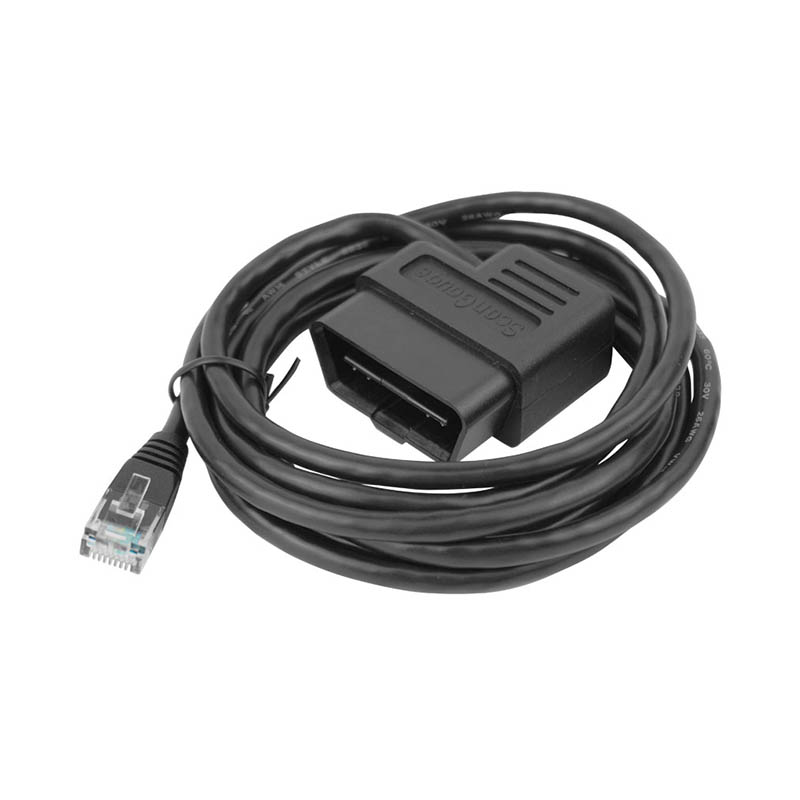
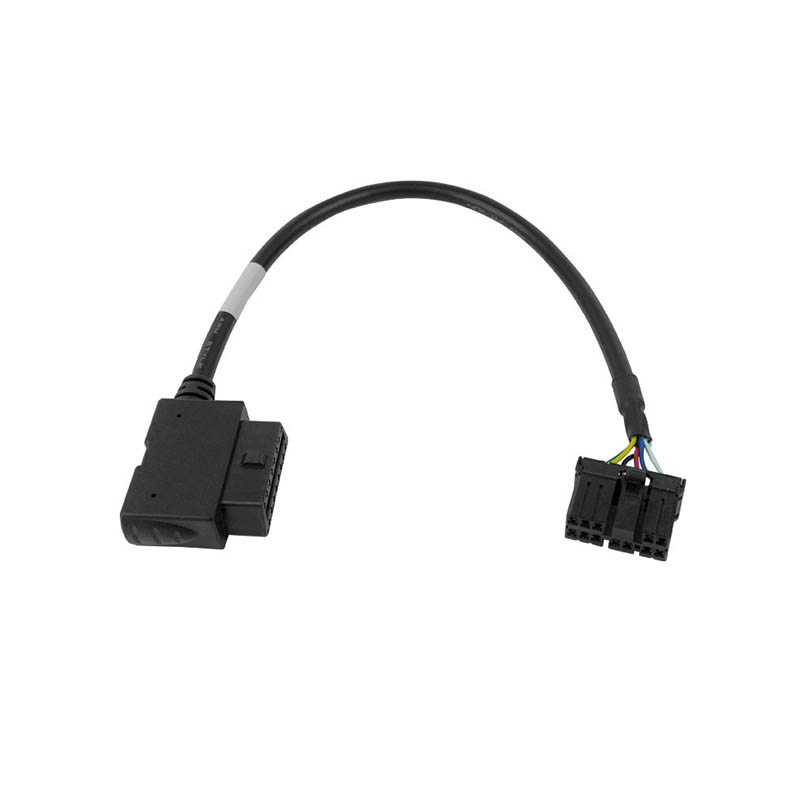
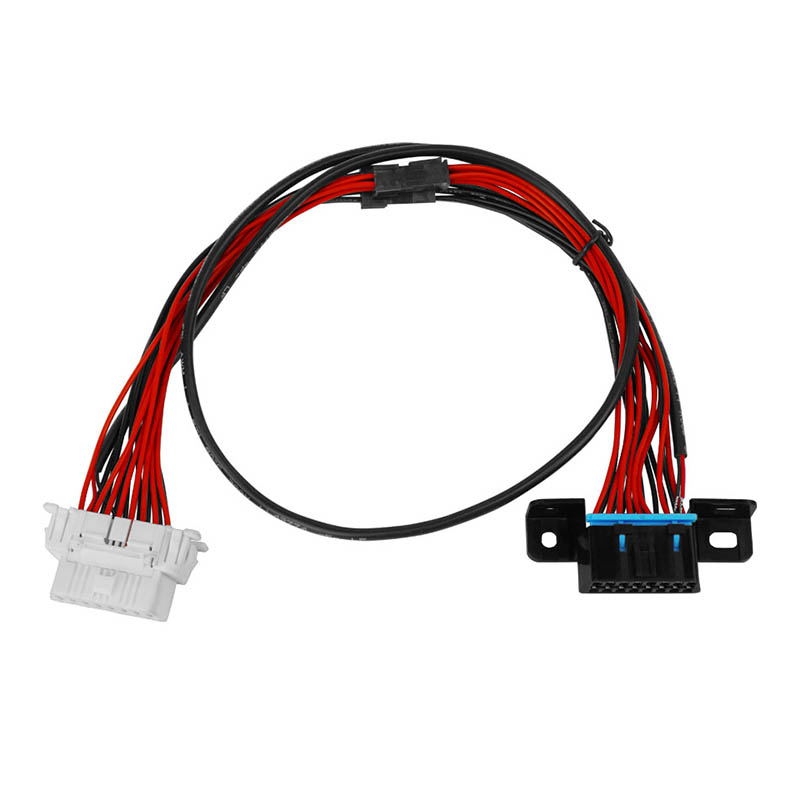
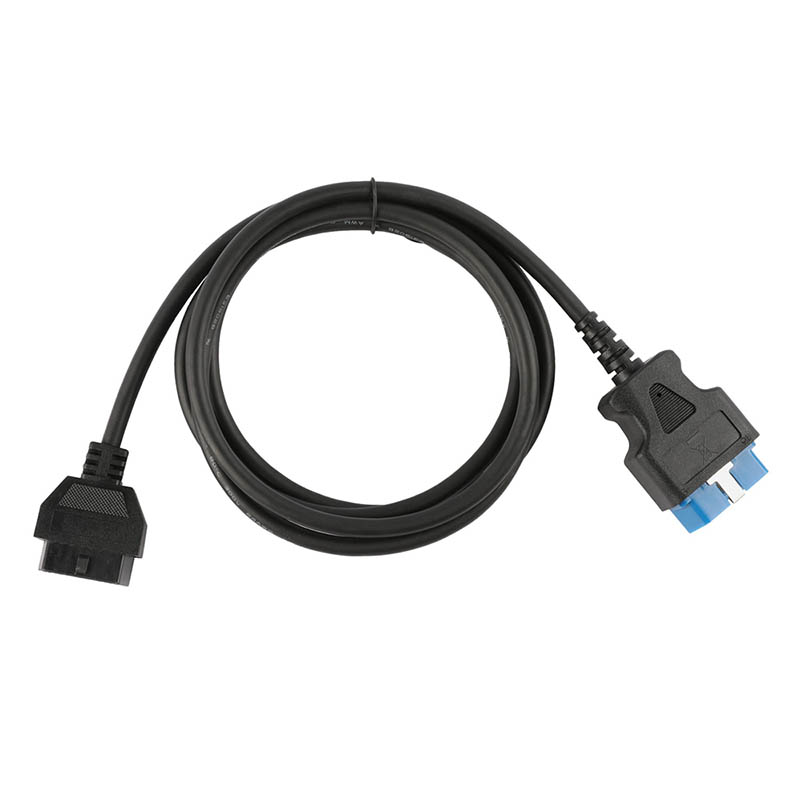
As a crucial connection component of a vehicle diagnostic system, the OBD2 female cable harness is constantly exposed to the in-vehicle environment, frequently enduring complex conditions such as temperature changes, humidity fluctuations, and vibration. Oxidation of the metal terminals is a significant factor affecting its stability. Once oxidation occurs at the contact surface, it can lead to increased contact resistance, thereby affecting signal transmission quality. Therefore, comprehensive optimization of material selection, structural design, and protective processes is key to ensuring its long-term reliable operation.
1. Using High-Stability Terminal Materials to Reduce Oxidation Risks
In the design of the OBD2 female cable harness, the terminal materials are typically phosphor bronze or high-conductivity copper alloys, with gold, tin, or nickel plating applied to the surface. The gold plating layer, due to its high chemical stability, effectively isolates oxygen and moisture from the air, reducing the probability of oxidation from the source. Simultaneously, the plating layer also improves the conductivity stability of the contact surface, making signal transmission more reliable.
2. Optimized Contact Structure Enhances Self-Cleaning Capability
In environments with prolonged insertion/removal or micro-vibration, the relative micro-movements between terminals can actually provide a certain degree of "self-cleaning." By optimizing the contact angle and contact pressure between the pins and the socket, moderate friction is created at the microscopic level, which can disrupt the initial oxide film formation, thereby maintaining a low contact resistance. This structural design helps delay performance degradation without relying on external maintenance.
3. Sealed and Protective Structure Isolates from the External Environment
Oxidation reactions require oxygen and moisture; therefore, a sealed structural design can significantly reduce the risk. For example, adding a dust cover, sealing ring, or waterproof structure to the OBD2 female connector housing can effectively reduce the entry of moisture and contaminants into the contact area. Furthermore, a well-designed housing structure can reduce dust accumulation, further improving contact stability.
4. Improved Insertion/Removal Life and Contact Stability Design
The OBD2 interface requires repeated insertion/removal during vehicle maintenance and diagnostics; therefore, the terminal structure must possess high mechanical durability. Optimizing the spring structure and contact pressure distribution ensures smooth insertion and removal while maintaining stable contact force, thus reducing localized arcing or micro-pitting caused by poor contact, factors that often accelerate the oxidation process.
5. Enhanced Corrosion Resistance Through Surface Treatment
In addition to the base plating, composite surface treatment technologies can further enhance oxidation resistance. For example, adding an anti-corrosion coating on top of gold or tin plating creates a multi-layered protective structure, making it more difficult for oxygen and moisture to directly contact the metal substrate. This multi-layered protective system significantly slows down oxidation and extends service life.
6. Optimized Wiring and Installation Environment
In vehicle design, the OBD2 female cable harness is typically located in the driver's compartment area, but it can still be affected by temperature and humidity changes. Proper wiring, avoiding proximity to high-temperature or humid areas, reduces the long-term environmental impact on the terminals. Simultaneously, reducing external pulling forces and vibration transmission also helps maintain the stability of the contact structure.
In summary, the OBD2 female cable harness, through the synergistic effect of high corrosion-resistant material selection, self-cleaning structural design, multi-layer protection process, and reasonable installation layout, can effectively prevent the increase in contact resistance caused by terminal oxidation, thereby ensuring the stability and reliability of the vehicle diagnostic system during long-term use.
1. Using High-Stability Terminal Materials to Reduce Oxidation Risks
In the design of the OBD2 female cable harness, the terminal materials are typically phosphor bronze or high-conductivity copper alloys, with gold, tin, or nickel plating applied to the surface. The gold plating layer, due to its high chemical stability, effectively isolates oxygen and moisture from the air, reducing the probability of oxidation from the source. Simultaneously, the plating layer also improves the conductivity stability of the contact surface, making signal transmission more reliable.
2. Optimized Contact Structure Enhances Self-Cleaning Capability
In environments with prolonged insertion/removal or micro-vibration, the relative micro-movements between terminals can actually provide a certain degree of "self-cleaning." By optimizing the contact angle and contact pressure between the pins and the socket, moderate friction is created at the microscopic level, which can disrupt the initial oxide film formation, thereby maintaining a low contact resistance. This structural design helps delay performance degradation without relying on external maintenance.
3. Sealed and Protective Structure Isolates from the External Environment
Oxidation reactions require oxygen and moisture; therefore, a sealed structural design can significantly reduce the risk. For example, adding a dust cover, sealing ring, or waterproof structure to the OBD2 female connector housing can effectively reduce the entry of moisture and contaminants into the contact area. Furthermore, a well-designed housing structure can reduce dust accumulation, further improving contact stability.
4. Improved Insertion/Removal Life and Contact Stability Design
The OBD2 interface requires repeated insertion/removal during vehicle maintenance and diagnostics; therefore, the terminal structure must possess high mechanical durability. Optimizing the spring structure and contact pressure distribution ensures smooth insertion and removal while maintaining stable contact force, thus reducing localized arcing or micro-pitting caused by poor contact, factors that often accelerate the oxidation process.
5. Enhanced Corrosion Resistance Through Surface Treatment
In addition to the base plating, composite surface treatment technologies can further enhance oxidation resistance. For example, adding an anti-corrosion coating on top of gold or tin plating creates a multi-layered protective structure, making it more difficult for oxygen and moisture to directly contact the metal substrate. This multi-layered protective system significantly slows down oxidation and extends service life.
6. Optimized Wiring and Installation Environment
In vehicle design, the OBD2 female cable harness is typically located in the driver's compartment area, but it can still be affected by temperature and humidity changes. Proper wiring, avoiding proximity to high-temperature or humid areas, reduces the long-term environmental impact on the terminals. Simultaneously, reducing external pulling forces and vibration transmission also helps maintain the stability of the contact structure.
In summary, the OBD2 female cable harness, through the synergistic effect of high corrosion-resistant material selection, self-cleaning structural design, multi-layer protection process, and reasonable installation layout, can effectively prevent the increase in contact resistance caused by terminal oxidation, thereby ensuring the stability and reliability of the vehicle diagnostic system during long-term use.