


Can an OBD Cable Prevent Diagnostic Tool Damage?
Release Time : 2026-06-02
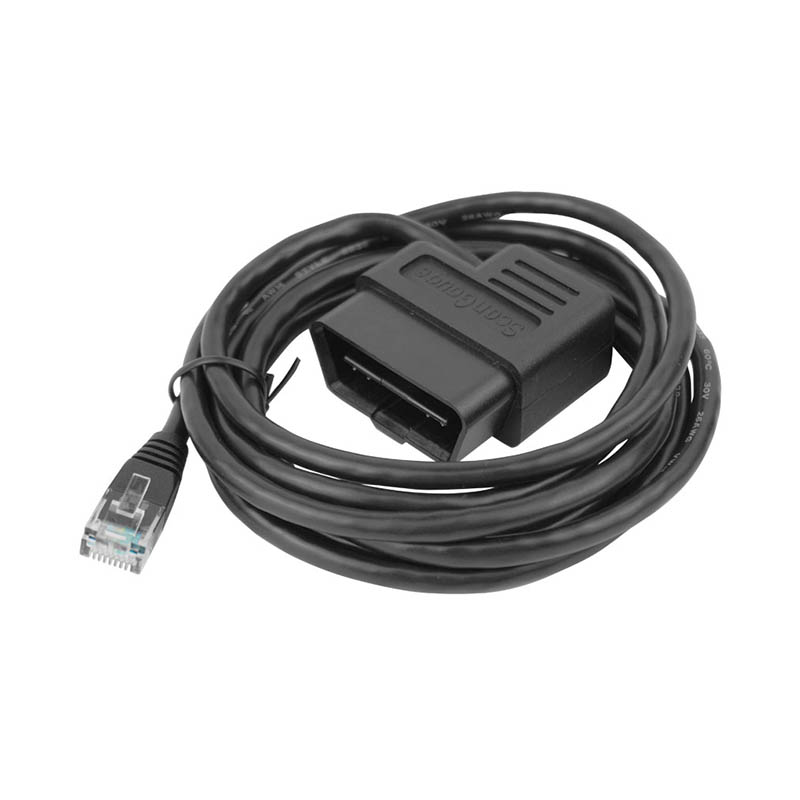
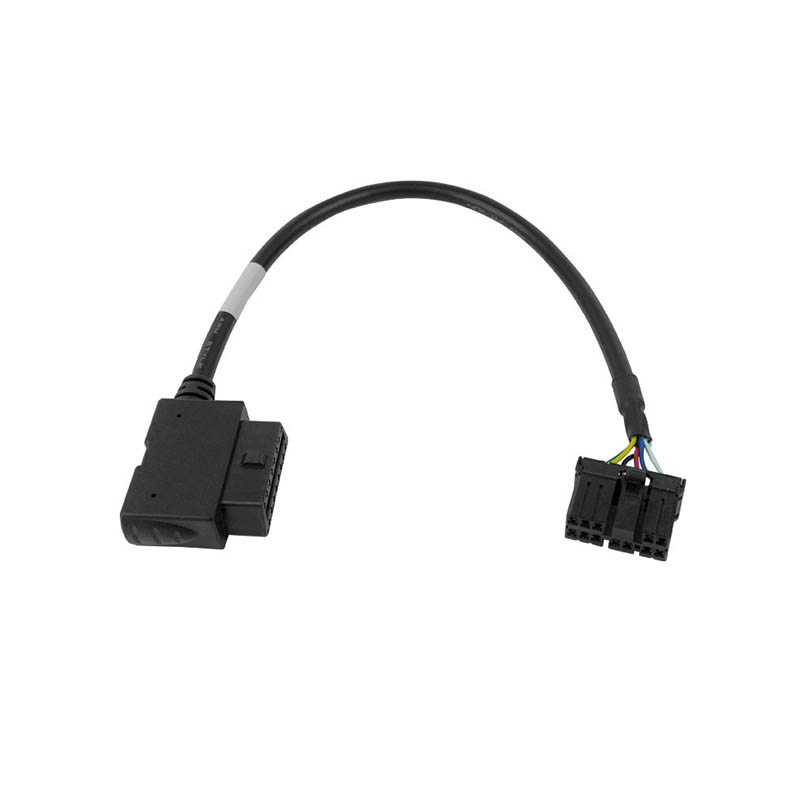
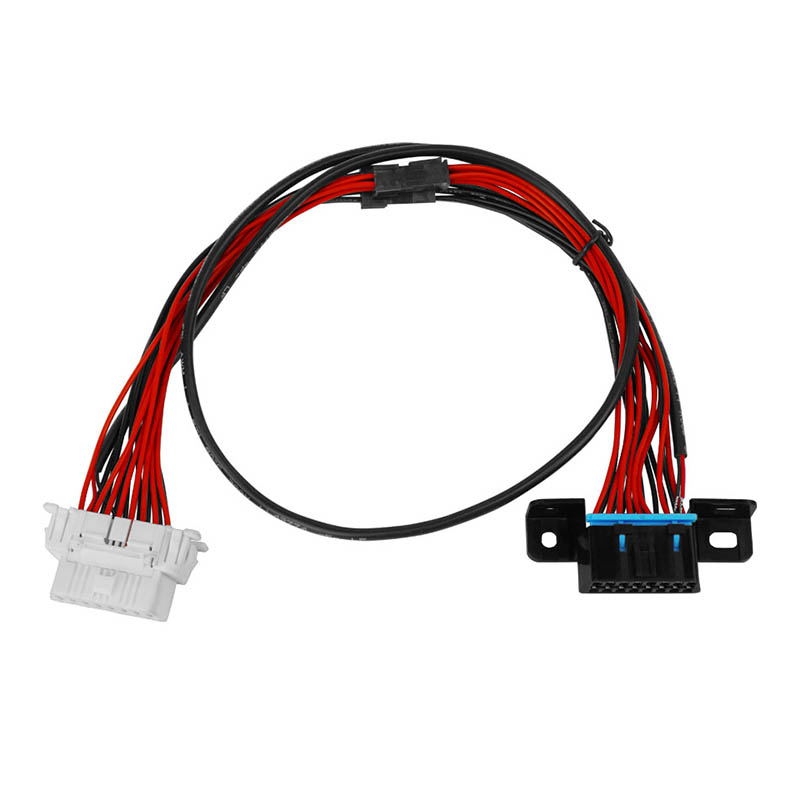
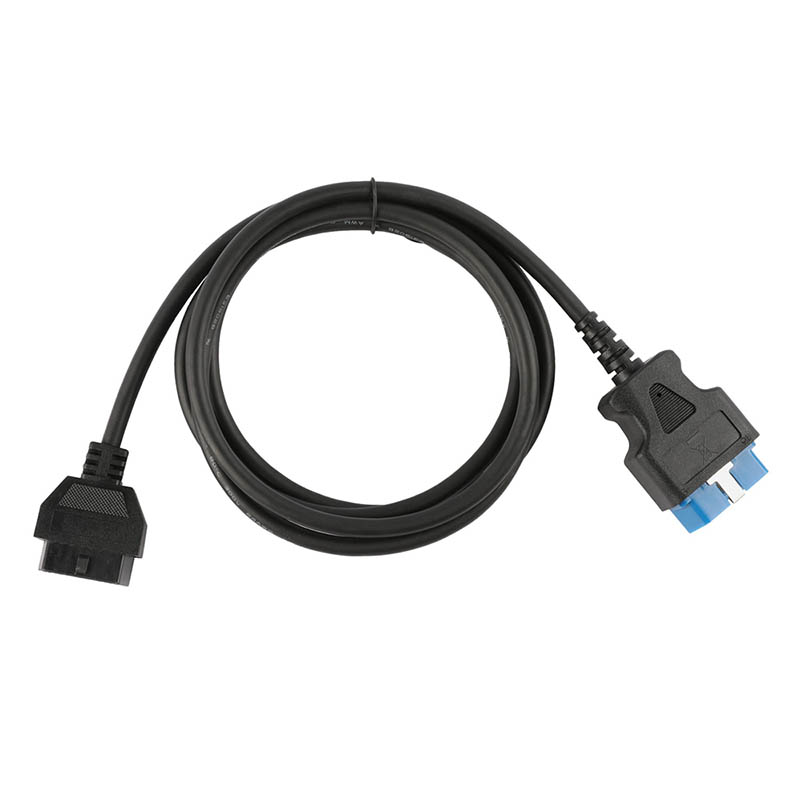
The On-Board Diagnostics (OBD) port serves as the central nervous system for a vehicle's electronic health, providing critical access to engine performance data, emission information, and fault codes. While modern vehicles are equipped with standardized 16-pin OBD-II ports, the physical location of these interfaces often presents significant challenges for automotive technicians. An OBD extension cable harness is not merely a simple wire; it acts as a vital protective buffer that can effectively prevent costly damage to sensitive diagnostic tools, safeguard the vehicle's own electrical systems, and ensure the longevity of workshop equipment.
One of the primary ways an OBD cable prevents damage is by mitigating severe physical stress on expensive diagnostic hardware. In many vehicle models, the OBD port is tucked away in cramped footwells, positioned awkwardly behind steering columns, or located in areas prone to moisture and debris. Without an extension cable, a technician is forced to maneuver a bulky, heavy-duty diagnostic tablet or laptop into these tight spaces. This creates immense strain on the connection point. The sheer weight of the device hanging off a single rigid connector can easily crack the plastic housing of the tool, bend the delicate internal pins, or even rip the OBD port straight out of the vehicle's dashboard. By using a flexible extension harness, the diagnostic tool can rest safely on a seat or workbench while the lightweight cable connects to the car. This simple adaptation completely eliminates the risk of accidental drops, torsion stress, and physical breakage during routine inspections.
Beyond physical protection, a high-quality OBD cable harness plays a crucial role in maintaining electrical integrity and preventing short circuits. The OBD port supplies constant power through specific pins, most notably Pin 16, which provides direct battery voltage. Exposed metal pins on a diagnostic tool are highly vulnerable to accidental contact with conductive materials like keys, loose change, or metal tools dropped nearby. A robust extension cable moves this sensitive connection point away from the hazardous floor area of the driver's side footwell. Furthermore, premium OBD cables are engineered with superior shielding and built-in fuses. These safety features protect against voltage spikes, electromagnetic interference, and power surges that could otherwise fry the sensitive microprocessors inside a professional scan tool or corrupt the vehicle's Engine Control Unit (ECU).
Durability in harsh workshop environments represents another key factor in preventing equipment failure. Automotive repair shops are demanding settings filled with oil, grease, water, and extreme temperature fluctuations. Dragging an expensive computer across a dirty garage floor exposes it to liquids and grit that can destroy its internal components. An industrial-grade OBD extension cable is typically encased in tough, abrasion-resistant insulation that withstands being stepped on, run over by rolling stools, or exposed to automotive fluids. By acting as a sacrificial barrier, the cable takes the environmental abuse that would otherwise degrade the connectors on the main diagnostic unit. Additionally, using an extension harness significantly reduces wear and tear on the vehicle's factory-installed OBD port. Constant plugging and unplugging of heavy devices can loosen the internal contacts of the car's socket over time, leading to intermittent communication failures. A durable aftermarket cable absorbs this mechanical friction, preserving the original equipment for the long term.
In conclusion, an OBD extension cable harness is an indispensable asset for any professional automotive workshop. It provides a comprehensive layer of protection that extends far beyond simple connectivity. By eliminating dangerous physical strain on handheld devices, shielding sensitive electronics from electrical shorts and voltage irregularities, and absorbing the daily wear and tear of a busy garage environment, these cables save mechanics and shop owners thousands of dollars in potential repair and replacement costs. Investing in a reliable OBD cable ensures that both the diagnostic tools and the vehicles they service remain in optimal working condition.
One of the primary ways an OBD cable prevents damage is by mitigating severe physical stress on expensive diagnostic hardware. In many vehicle models, the OBD port is tucked away in cramped footwells, positioned awkwardly behind steering columns, or located in areas prone to moisture and debris. Without an extension cable, a technician is forced to maneuver a bulky, heavy-duty diagnostic tablet or laptop into these tight spaces. This creates immense strain on the connection point. The sheer weight of the device hanging off a single rigid connector can easily crack the plastic housing of the tool, bend the delicate internal pins, or even rip the OBD port straight out of the vehicle's dashboard. By using a flexible extension harness, the diagnostic tool can rest safely on a seat or workbench while the lightweight cable connects to the car. This simple adaptation completely eliminates the risk of accidental drops, torsion stress, and physical breakage during routine inspections.
Beyond physical protection, a high-quality OBD cable harness plays a crucial role in maintaining electrical integrity and preventing short circuits. The OBD port supplies constant power through specific pins, most notably Pin 16, which provides direct battery voltage. Exposed metal pins on a diagnostic tool are highly vulnerable to accidental contact with conductive materials like keys, loose change, or metal tools dropped nearby. A robust extension cable moves this sensitive connection point away from the hazardous floor area of the driver's side footwell. Furthermore, premium OBD cables are engineered with superior shielding and built-in fuses. These safety features protect against voltage spikes, electromagnetic interference, and power surges that could otherwise fry the sensitive microprocessors inside a professional scan tool or corrupt the vehicle's Engine Control Unit (ECU).
Durability in harsh workshop environments represents another key factor in preventing equipment failure. Automotive repair shops are demanding settings filled with oil, grease, water, and extreme temperature fluctuations. Dragging an expensive computer across a dirty garage floor exposes it to liquids and grit that can destroy its internal components. An industrial-grade OBD extension cable is typically encased in tough, abrasion-resistant insulation that withstands being stepped on, run over by rolling stools, or exposed to automotive fluids. By acting as a sacrificial barrier, the cable takes the environmental abuse that would otherwise degrade the connectors on the main diagnostic unit. Additionally, using an extension harness significantly reduces wear and tear on the vehicle's factory-installed OBD port. Constant plugging and unplugging of heavy devices can loosen the internal contacts of the car's socket over time, leading to intermittent communication failures. A durable aftermarket cable absorbs this mechanical friction, preserving the original equipment for the long term.
In conclusion, an OBD extension cable harness is an indispensable asset for any professional automotive workshop. It provides a comprehensive layer of protection that extends far beyond simple connectivity. By eliminating dangerous physical strain on handheld devices, shielding sensitive electronics from electrical shorts and voltage irregularities, and absorbing the daily wear and tear of a busy garage environment, these cables save mechanics and shop owners thousands of dollars in potential repair and replacement costs. Investing in a reliable OBD cable ensures that both the diagnostic tools and the vehicles they service remain in optimal working condition.