


How has the OBD connector become a key component of automotive diagnostic systems?
Release Time : 2026-08-06
As automotive electronic technology advances and vehicles become increasingly intelligent, the various electronic systems within cars demand higher capabilities for data transmission and fault detection. As a crucial connection component in automotive diagnostic systems, the OBD connector has become indispensable in modern vehicle inspection and maintenance, thanks to its convenient data interaction capabilities, stable connection performance, and broad compatibility. It enables more efficient information management within the vehicle and provides reliable support for monitoring the vehicle's operating status.
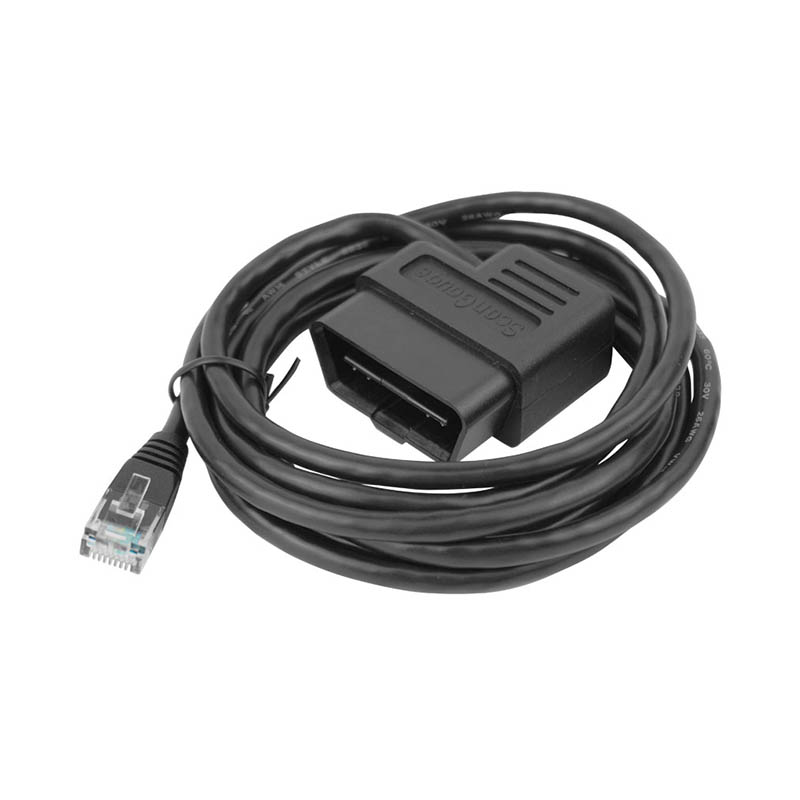
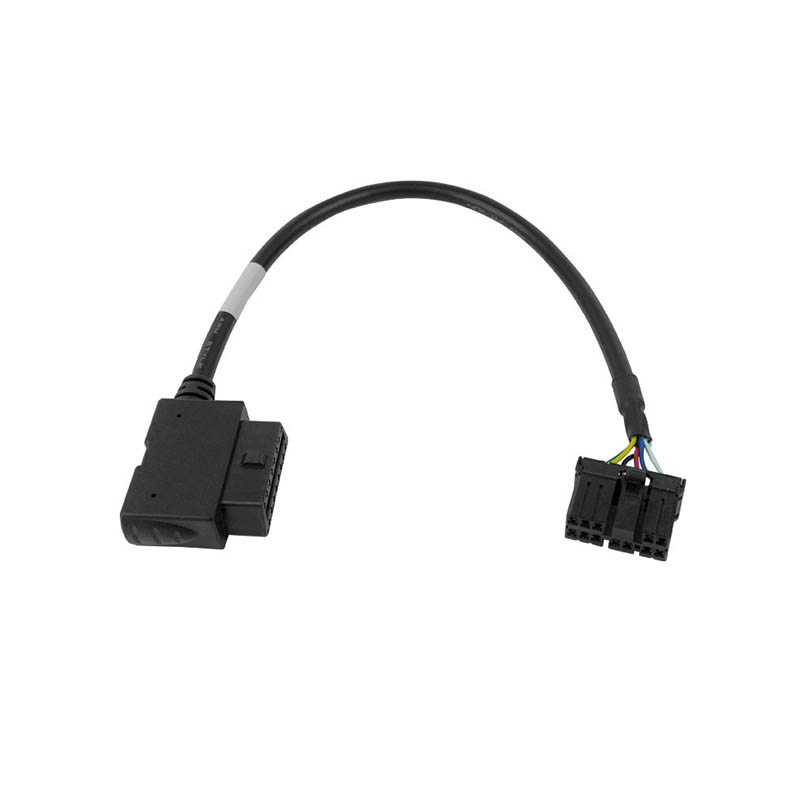
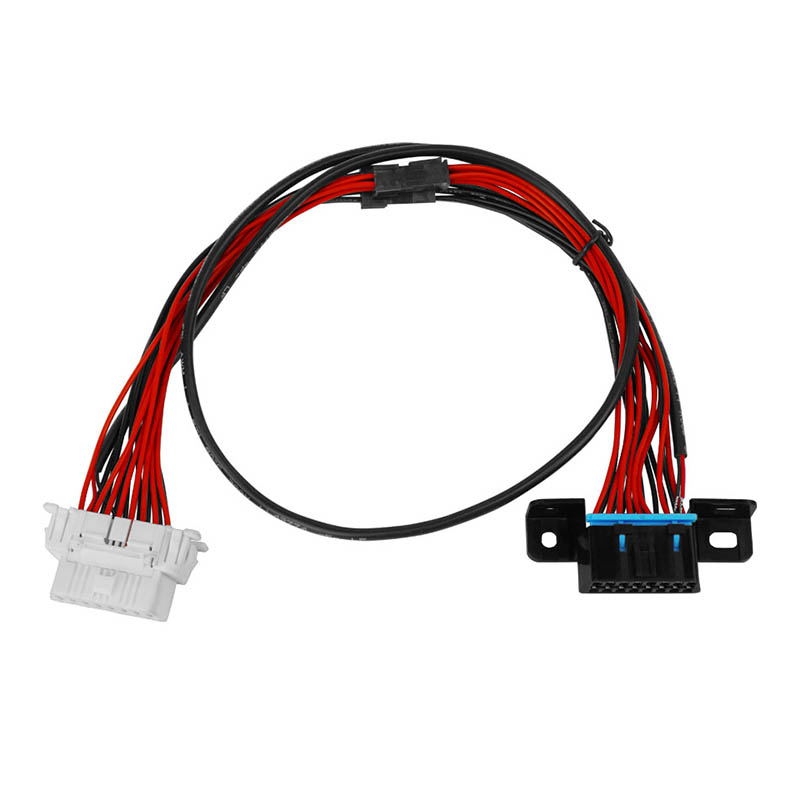
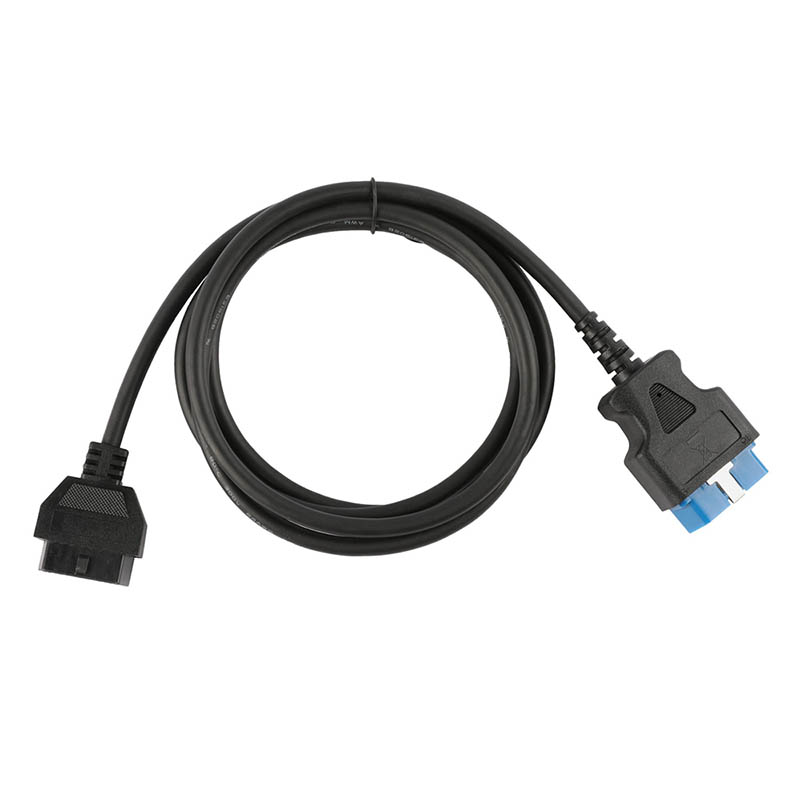
The OBD connector is a vital device for connecting and diagnosing vehicle electronic systems; by linking to professional diagnostic equipment, it allows for the retrieval of vehicle status information and system analysis. Compared to traditional inspection methods, the OBD connector enables faster access to vehicle data, giving maintenance personnel a better understanding of the vehicle's operating condition and providing convenient technical support for fault diagnosis and routine maintenance. Stable connection performance is a hallmark of high-quality OBD connectors. Automotive operating environments are complex, with vehicles subject to vibrations, temperature fluctuations, and external interference during operation; therefore, the interface requires robust structural stability. High-quality OBD connectors feature well-designed connection structures that ensure reliable contact between devices, minimize connection issues, and provide a stable foundation for vehicle diagnostics.
OBD connectors offer excellent compatibility, making them suitable for a wide range of automotive electronic systems. As the variety of car brands and models expands, internal vehicle control systems have become increasingly complex. Highly adaptable OBD connectors meet diverse diagnostic needs, facilitating system connections for maintenance personnel and equipment manufacturers, thereby enhancing the flexibility and convenience of automotive diagnostics. OBD connectors play a pivotal role in the automotive repair sector. By establishing a connection between professional diagnostic equipment and the vehicle's systems, maintenance personnel can gain an intuitive understanding of the vehicle's operating status and perform inspections and maintenance based on the data obtained. This diagnostic approach improves repair efficiency, reduces the difficulty of manual troubleshooting, and makes the vehicle maintenance process more scientific and standardized.
Beyond repair applications, OBD connectors are also highly valuable in the field of intelligent vehicle management. Modern vehicles are increasingly evolving toward digitalization and intelligence, making vehicle data management a key factor in enhancing the driving experience. Through stable data connections, OBD connectors support information collection and analysis by relevant devices, providing a technical foundation for the development of intelligent in-vehicle systems. High-quality OBD connectors prioritize durability and safety during the manufacturing process. The automotive environment places high demands on electronic interconnect components, requiring interfaces to maintain optimal functionality over the long term. Through the use of high-quality materials and precision manufacturing processes, OBD connectors enhance their durability and extend their service life, ensuring the reliable operation of vehicle electronic systems.
Ease of installation is another key factor driving the widespread adoption of OBD connectors. Standardized designs facilitate seamless integration with vehicle systems, simplifying the installation process. This straightforward, efficient usability not only boosts diagnostic productivity but also enables everyday users to easily operate smart automotive devices. As technologies for new energy and intelligent vehicles advance, the importance of automotive electronic systems continues to grow. Serving as a vital link between the vehicle and external diagnostic equipment, OBD connectors are constantly evolving; smarter, more stable interface designs are meeting the future needs of automotive diagnostics, data management, and intelligent services.
High-quality OBD connectors offer not only superior connectivity but also improved automotive maintenance and management capabilities. By enabling reliable data transmission and convenient access, they facilitate more efficient diagnostic workflows and drive the shift toward intelligent vehicle management. OBD connectors demonstrate significant value across automotive manufacturing, repair, and smart application sectors. With advantages such as intelligent diagnostics, stable connectivity, broad compatibility, and ease of use, they have become critical components of modern automotive electronic systems, providing reliable support for maintenance and smart management. As automotive technology continues to advance, OBD connectors will play a role in an expanding range of applications, offering a robust technical foundation for safe vehicle operation and intelligent development.
The OBD connector is a vital device for connecting and diagnosing vehicle electronic systems; by linking to professional diagnostic equipment, it allows for the retrieval of vehicle status information and system analysis. Compared to traditional inspection methods, the OBD connector enables faster access to vehicle data, giving maintenance personnel a better understanding of the vehicle's operating condition and providing convenient technical support for fault diagnosis and routine maintenance. Stable connection performance is a hallmark of high-quality OBD connectors. Automotive operating environments are complex, with vehicles subject to vibrations, temperature fluctuations, and external interference during operation; therefore, the interface requires robust structural stability. High-quality OBD connectors feature well-designed connection structures that ensure reliable contact between devices, minimize connection issues, and provide a stable foundation for vehicle diagnostics.
OBD connectors offer excellent compatibility, making them suitable for a wide range of automotive electronic systems. As the variety of car brands and models expands, internal vehicle control systems have become increasingly complex. Highly adaptable OBD connectors meet diverse diagnostic needs, facilitating system connections for maintenance personnel and equipment manufacturers, thereby enhancing the flexibility and convenience of automotive diagnostics. OBD connectors play a pivotal role in the automotive repair sector. By establishing a connection between professional diagnostic equipment and the vehicle's systems, maintenance personnel can gain an intuitive understanding of the vehicle's operating status and perform inspections and maintenance based on the data obtained. This diagnostic approach improves repair efficiency, reduces the difficulty of manual troubleshooting, and makes the vehicle maintenance process more scientific and standardized.
Beyond repair applications, OBD connectors are also highly valuable in the field of intelligent vehicle management. Modern vehicles are increasingly evolving toward digitalization and intelligence, making vehicle data management a key factor in enhancing the driving experience. Through stable data connections, OBD connectors support information collection and analysis by relevant devices, providing a technical foundation for the development of intelligent in-vehicle systems. High-quality OBD connectors prioritize durability and safety during the manufacturing process. The automotive environment places high demands on electronic interconnect components, requiring interfaces to maintain optimal functionality over the long term. Through the use of high-quality materials and precision manufacturing processes, OBD connectors enhance their durability and extend their service life, ensuring the reliable operation of vehicle electronic systems.
Ease of installation is another key factor driving the widespread adoption of OBD connectors. Standardized designs facilitate seamless integration with vehicle systems, simplifying the installation process. This straightforward, efficient usability not only boosts diagnostic productivity but also enables everyday users to easily operate smart automotive devices. As technologies for new energy and intelligent vehicles advance, the importance of automotive electronic systems continues to grow. Serving as a vital link between the vehicle and external diagnostic equipment, OBD connectors are constantly evolving; smarter, more stable interface designs are meeting the future needs of automotive diagnostics, data management, and intelligent services.
High-quality OBD connectors offer not only superior connectivity but also improved automotive maintenance and management capabilities. By enabling reliable data transmission and convenient access, they facilitate more efficient diagnostic workflows and drive the shift toward intelligent vehicle management. OBD connectors demonstrate significant value across automotive manufacturing, repair, and smart application sectors. With advantages such as intelligent diagnostics, stable connectivity, broad compatibility, and ease of use, they have become critical components of modern automotive electronic systems, providing reliable support for maintenance and smart management. As automotive technology continues to advance, OBD connectors will play a role in an expanding range of applications, offering a robust technical foundation for safe vehicle operation and intelligent development.