


How can automotive cable manufacturers customize the length and connector types of this J1939 splitter harness to meet specific OEM requirements?
Release Time : 2026-08-18
Automotive cable manufacturers play a critical role in the commercial vehicle industry by providing customized wiring solutions that bridge the gap between heavy-duty vehicle networks and external electronic devices. Customizing a DB15 to 9-Pin J1939 Splitter Type 2Y harness to meet specific Original Equipment Manufacturer (OEM) requirements is a highly systematic process. This customization primarily revolves around precise length engineering, connector selection, and rigorous adherence to automotive standards.
The customization of cable length is the first and most crucial step in meeting OEM spatial requirements. Commercial vehicles have highly complex electrical architectures with limited routing space. Manufacturers work directly with OEMs to determine the exact distance between the vehicle's J1939 diagnostic port, the electronic logging device (ELD), and the GPS tracking unit. Custom lengths are engineered to eliminate excess wire, which can cause tangling, chafing, or interference with moving vehicle components. Whether the OEM requires a short 10-centimeter adapter for a tight dashboard space or a multi-meter extension for a rear-mounted GPS, manufacturers utilize automated cutting and stripping equipment to guarantee precise length tolerances.
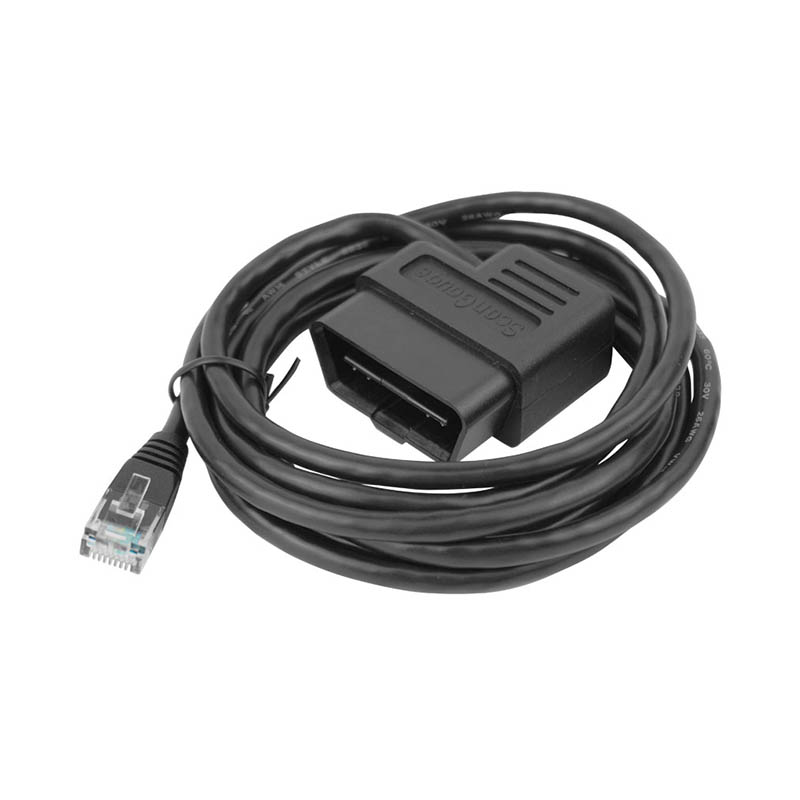
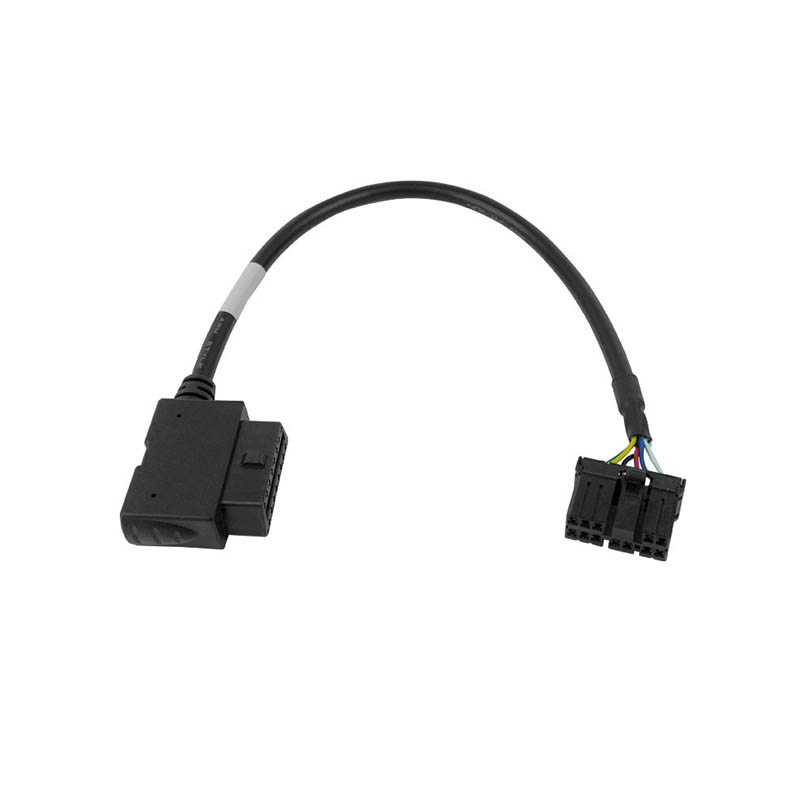
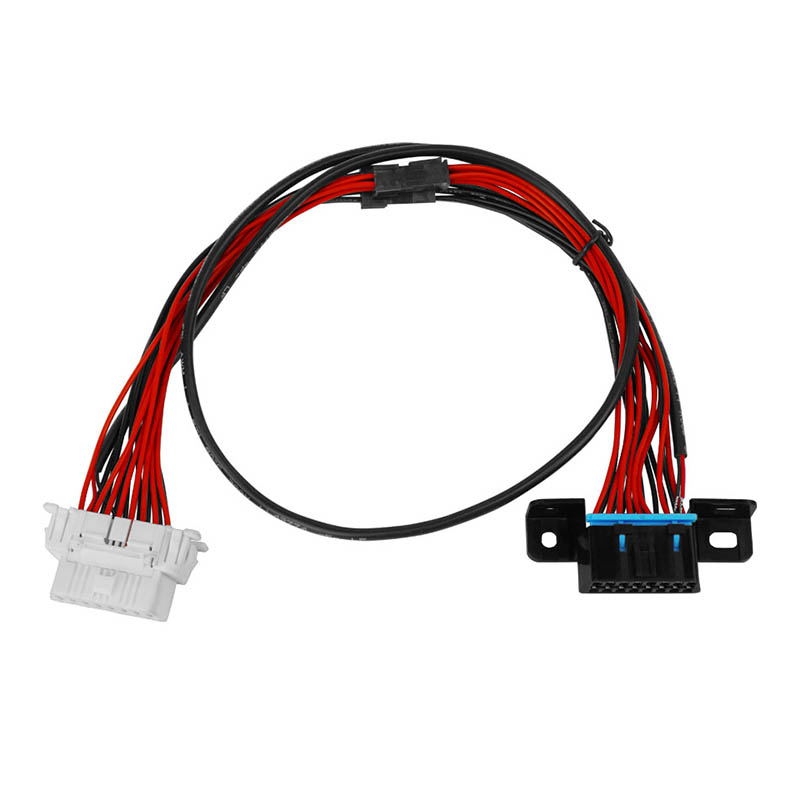
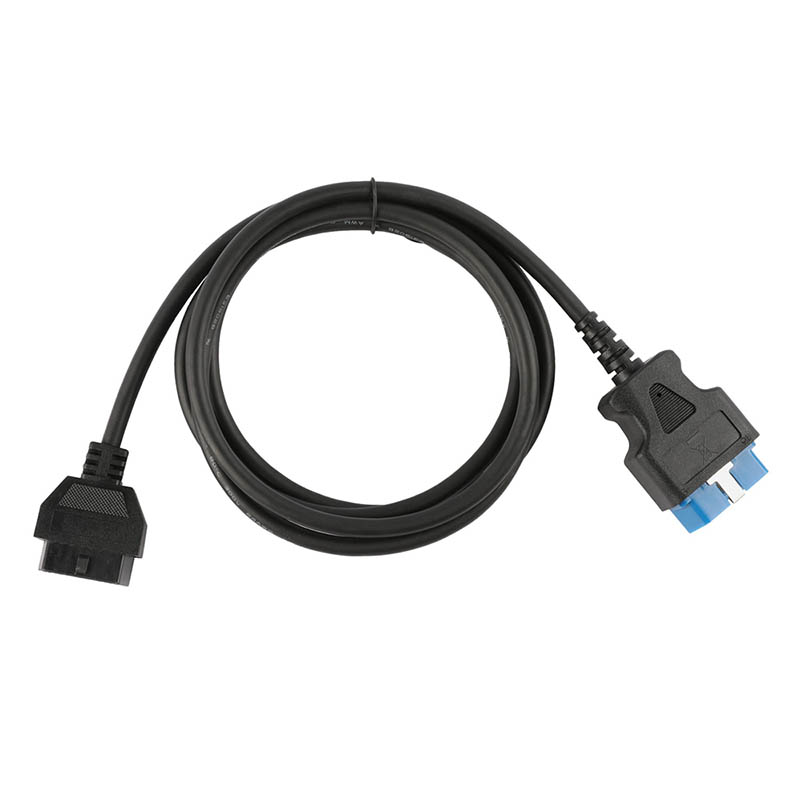
Connector customization is equally vital, as the J1939 standard specifies a 9-pin circular connector, but OEMs may have varying mechanical and environmental preferences. For the vehicle side, manufacturers must ensure the connector strictly complies with the SAE J1939/13 standard, typically utilizing a robust Deutsch HD10-style connector. However, OEMs often request specific variations, such as Type 1 (black) for standard 250 kbit/s bus speeds or Type 2 (green) for modern vehicles requiring higher bus speeds. Manufacturers can customize the mating connectors on the DB15 splitter ends based on the specific GPS or code reader being used. This includes selecting the appropriate locking mechanisms, such as lever locks, threaded rings, or snap-fit designs, to ensure the connection remains secure under severe vibration.
Beyond length and connector types, manufacturers customize the internal wiring and external protection to withstand extreme operating conditions. The J1939 protocol requires shielded twisted-pair wiring to prevent electromagnetic interference from the truck's engine and alternator. Manufacturers can customize the wire gauge (typically 18 to 22 AWG) based on the power draw of the connected GPS and code reader. To protect against moisture, dust, and road salt, manufacturers integrate specialized sealing technologies. This includes adding silicone rubber grommets at the connector interfaces and applying secondary over-molding at the cable strain reliefs. The outer sheath can also be customized, utilizing materials like thermoplastic elastomers (TPE) or polyurethane (PUR) that offer superior resistance to oil, abrasion, and extreme temperature fluctuations.
Finally, the customization process involves comprehensive testing and validation. Before delivering the harness to an OEM, manufacturers must verify that the pin-out configuration perfectly matches the OEM's electrical schematics. This ensures that CAN-High, CAN-Low, power, and ground signals are accurately routed to the GPS and diagnostic tools. Manufacturers also conduct rigorous quality control tests, including 100% electrical continuity testing, insulation resistance checks, and mechanical pull tests on the crimped terminals. By meticulously customizing the physical dimensions, connector interfaces, and material durability, automotive cable manufacturers ensure that the J1939 splitter harness provides a seamless, reliable, and safe connection for critical fleet management and diagnostic systems.
The customization of cable length is the first and most crucial step in meeting OEM spatial requirements. Commercial vehicles have highly complex electrical architectures with limited routing space. Manufacturers work directly with OEMs to determine the exact distance between the vehicle's J1939 diagnostic port, the electronic logging device (ELD), and the GPS tracking unit. Custom lengths are engineered to eliminate excess wire, which can cause tangling, chafing, or interference with moving vehicle components. Whether the OEM requires a short 10-centimeter adapter for a tight dashboard space or a multi-meter extension for a rear-mounted GPS, manufacturers utilize automated cutting and stripping equipment to guarantee precise length tolerances.
Connector customization is equally vital, as the J1939 standard specifies a 9-pin circular connector, but OEMs may have varying mechanical and environmental preferences. For the vehicle side, manufacturers must ensure the connector strictly complies with the SAE J1939/13 standard, typically utilizing a robust Deutsch HD10-style connector. However, OEMs often request specific variations, such as Type 1 (black) for standard 250 kbit/s bus speeds or Type 2 (green) for modern vehicles requiring higher bus speeds. Manufacturers can customize the mating connectors on the DB15 splitter ends based on the specific GPS or code reader being used. This includes selecting the appropriate locking mechanisms, such as lever locks, threaded rings, or snap-fit designs, to ensure the connection remains secure under severe vibration.
Beyond length and connector types, manufacturers customize the internal wiring and external protection to withstand extreme operating conditions. The J1939 protocol requires shielded twisted-pair wiring to prevent electromagnetic interference from the truck's engine and alternator. Manufacturers can customize the wire gauge (typically 18 to 22 AWG) based on the power draw of the connected GPS and code reader. To protect against moisture, dust, and road salt, manufacturers integrate specialized sealing technologies. This includes adding silicone rubber grommets at the connector interfaces and applying secondary over-molding at the cable strain reliefs. The outer sheath can also be customized, utilizing materials like thermoplastic elastomers (TPE) or polyurethane (PUR) that offer superior resistance to oil, abrasion, and extreme temperature fluctuations.
Finally, the customization process involves comprehensive testing and validation. Before delivering the harness to an OEM, manufacturers must verify that the pin-out configuration perfectly matches the OEM's electrical schematics. This ensures that CAN-High, CAN-Low, power, and ground signals are accurately routed to the GPS and diagnostic tools. Manufacturers also conduct rigorous quality control tests, including 100% electrical continuity testing, insulation resistance checks, and mechanical pull tests on the crimped terminals. By meticulously customizing the physical dimensions, connector interfaces, and material durability, automotive cable manufacturers ensure that the J1939 splitter harness provides a seamless, reliable, and safe connection for critical fleet management and diagnostic systems.