


How does a male-to-female OBD connection cable achieve seamless integration between the original vehicle interface and diagnostic equipment?
Release Time : 2026-01-20
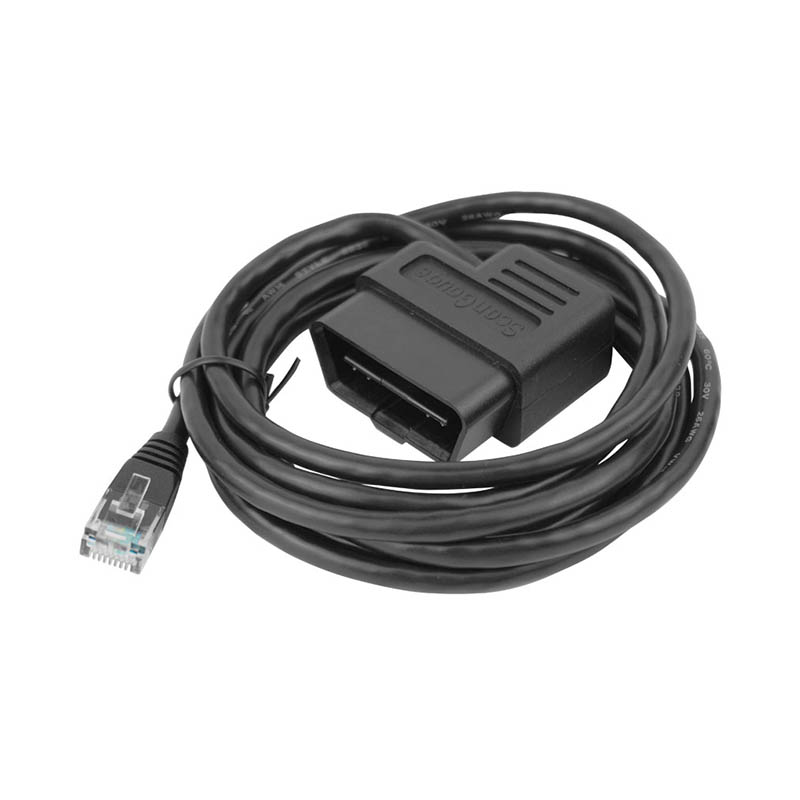
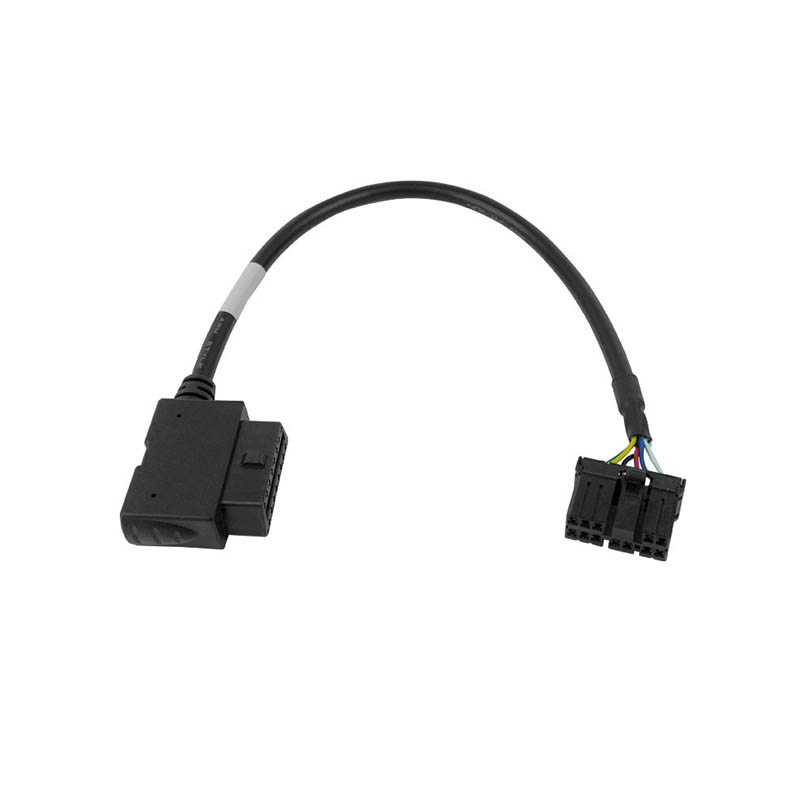
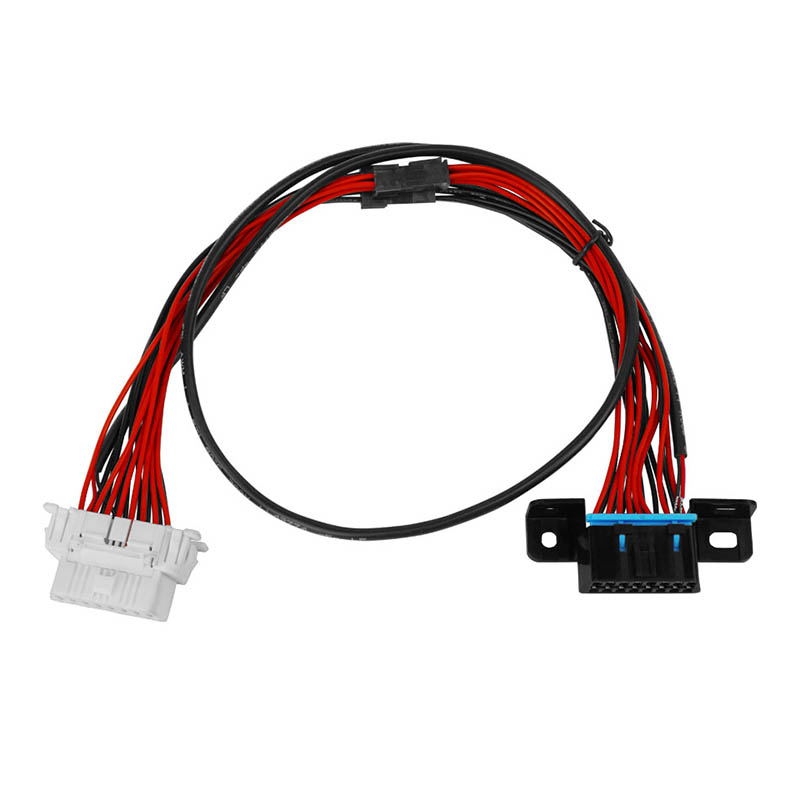
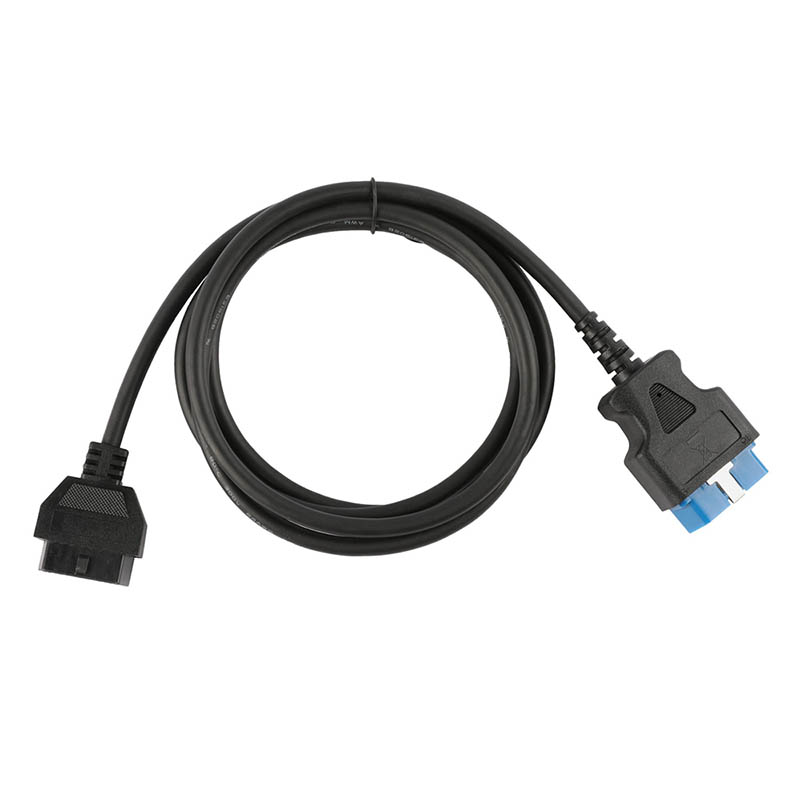
In the context of increasingly complex modern automotive electronic systems, the OBD (On-Board Diagnostics) interface has become a crucial hub connecting the vehicle's "nervous system" with external diagnostic tools. Whether reading fault codes, monitoring real-time data, or performing ECU programming and calibration, a stable and reliable connection channel is essential. The male-to-female OBD connection cable—with a male connector on one end (to be inserted into the vehicle's OBD socket) and a female connector on the other (to connect to the diagnostic equipment)—is the professional bridge that enables this connection. Its "seamless integration" refers not only to smooth physical insertion and removal but also to the precise transmission of electrical signals, reliable protocol compatibility, and long-term stability, all achieved through the precise coordination of materials, structure, and manufacturing processes.
First, terminal design and plating processes are fundamental to signal fidelity. High-quality OBD connection cables employ internationally standardized terminal structures to ensure complete compatibility with the original vehicle's OBD socket and diagnostic equipment plugs. Each contact pin undergoes high-density gold plating, which not only improves conductivity but also forms an anti-oxidation barrier. Even after hundreds of plugging and unplugging cycles or prolonged exposure to humid and oily environments, the contact surfaces maintain low resistance, preventing signal attenuation, communication interruptions, or even bit errors due to oxidation or wear. This "invisible detail" directly determines whether diagnostic data accurately reflects the vehicle's condition.
Secondly, the internal cable layout and shielding structure ensure interference resistance. The electromagnetic environment inside a modern vehicle's engine compartment is extremely complex, with the ignition system, motor, and high-voltage wiring harness all generating strong interference. If the OBD connection cable lacks effective protection, the weak CAN bus signal is easily drowned out by noise. High-quality wiring harnesses employ a multi-layer shielding design: each signal line is independently wrapped in aluminum foil, then the entire structure is covered with a high-coverage braided copper mesh, forming a "double-insurance" electromagnetic barrier. Simultaneously, power lines and signal lines are grouped and isolated to reduce crosstalk. This rigorous wiring logic allows diagnostic commands and vehicle feedback to be clearly transmitted in noisy environments, like establishing a private communication line in a bustling city.
Furthermore, integrated structure and material durability ensure long-term reliable connections. The connector is typically made of high-strength engineering plastic through a single injection molding process, firmly securing the terminals and eliminating the risk of poor soldering, wire detachment, or loosening. The outer sheath is made of an elastomer material that is resistant to high and low temperatures, oil stains, and flame retardancy, maintaining flexibility and preventing hardening and cracking even in temperatures as low as -40°C or as high as in an engine compartment. The plug and unplug points are also designed with latches or foolproof structures to ensure automatic locking after insertion, preventing accidental dislodgement due to vehicle vibrations. These details combine to create a robust yet flexible connection system, adaptable to the needs of repair shops, road tests, and even extreme environments.
More importantly, rigorous protocol compatibility verification is the core of "seamlessness." A truly professional OBD connection cable is not simply a splicing of wires; rather, it precisely defines the function of each pin according to OBD-II standards such as SAE J1962 (e.g., CAN High/Low, K-line, L-line, power, ground, etc.). Any misalignment or short circuit can cause communication failure or even damage sensitive electronic modules. Therefore, high-quality products undergo multi-vehicle real-world testing before leaving the factory to ensure stable compatibility with vehicles of different brands, years, and powertrains (including traditional fuel vehicles and new energy vehicles).
Ultimately, the seamless connection of the male-to-female OBD connection cable is a unification of four capabilities: physical compatibility, electrical purity, protocol accuracy, and environmental tolerance. It's unassuming, yet allows technicians to read fault information in seconds; it's silent, yet carries the entire dialogue between the vehicle and diagnostic equipment. When a hidden problem in a vehicle is quickly located, when a remote calibration is successfully completed, it is this seemingly ordinary wiring harness that, with silent precision, maintains the bond of trust in the era of intelligent vehicles—connectivity that never fails.
First, terminal design and plating processes are fundamental to signal fidelity. High-quality OBD connection cables employ internationally standardized terminal structures to ensure complete compatibility with the original vehicle's OBD socket and diagnostic equipment plugs. Each contact pin undergoes high-density gold plating, which not only improves conductivity but also forms an anti-oxidation barrier. Even after hundreds of plugging and unplugging cycles or prolonged exposure to humid and oily environments, the contact surfaces maintain low resistance, preventing signal attenuation, communication interruptions, or even bit errors due to oxidation or wear. This "invisible detail" directly determines whether diagnostic data accurately reflects the vehicle's condition.
Secondly, the internal cable layout and shielding structure ensure interference resistance. The electromagnetic environment inside a modern vehicle's engine compartment is extremely complex, with the ignition system, motor, and high-voltage wiring harness all generating strong interference. If the OBD connection cable lacks effective protection, the weak CAN bus signal is easily drowned out by noise. High-quality wiring harnesses employ a multi-layer shielding design: each signal line is independently wrapped in aluminum foil, then the entire structure is covered with a high-coverage braided copper mesh, forming a "double-insurance" electromagnetic barrier. Simultaneously, power lines and signal lines are grouped and isolated to reduce crosstalk. This rigorous wiring logic allows diagnostic commands and vehicle feedback to be clearly transmitted in noisy environments, like establishing a private communication line in a bustling city.
Furthermore, integrated structure and material durability ensure long-term reliable connections. The connector is typically made of high-strength engineering plastic through a single injection molding process, firmly securing the terminals and eliminating the risk of poor soldering, wire detachment, or loosening. The outer sheath is made of an elastomer material that is resistant to high and low temperatures, oil stains, and flame retardancy, maintaining flexibility and preventing hardening and cracking even in temperatures as low as -40°C or as high as in an engine compartment. The plug and unplug points are also designed with latches or foolproof structures to ensure automatic locking after insertion, preventing accidental dislodgement due to vehicle vibrations. These details combine to create a robust yet flexible connection system, adaptable to the needs of repair shops, road tests, and even extreme environments.
More importantly, rigorous protocol compatibility verification is the core of "seamlessness." A truly professional OBD connection cable is not simply a splicing of wires; rather, it precisely defines the function of each pin according to OBD-II standards such as SAE J1962 (e.g., CAN High/Low, K-line, L-line, power, ground, etc.). Any misalignment or short circuit can cause communication failure or even damage sensitive electronic modules. Therefore, high-quality products undergo multi-vehicle real-world testing before leaving the factory to ensure stable compatibility with vehicles of different brands, years, and powertrains (including traditional fuel vehicles and new energy vehicles).
Ultimately, the seamless connection of the male-to-female OBD connection cable is a unification of four capabilities: physical compatibility, electrical purity, protocol accuracy, and environmental tolerance. It's unassuming, yet allows technicians to read fault information in seconds; it's silent, yet carries the entire dialogue between the vehicle and diagnostic equipment. When a hidden problem in a vehicle is quickly located, when a remote calibration is successfully completed, it is this seemingly ordinary wiring harness that, with silent precision, maintains the bond of trust in the era of intelligent vehicles—connectivity that never fails.