


How does the OBD connector, with its standardized port, unlock the universal door to intelligent automotive diagnostics?
Release Time : 2026-02-04
Hidden beneath the cockpit of modern cars is a seemingly ordinary yet incredibly significant port—the OBD II (On-Board Diagnostics II) interface. Composed of only 16 metal contacts, it serves as a bridge connecting the vehicle's "nervous system" to the outside world. Since being established as a globally unified standard in the 1990s, this small connector has not only become a technological cornerstone of emissions regulation but has also spurred a vast automotive aftermarket ecosystem, enabling repair technicians, car owners, and even developers to understand the language of their vehicles and achieve diverse applications ranging from troubleshooting to performance optimization.
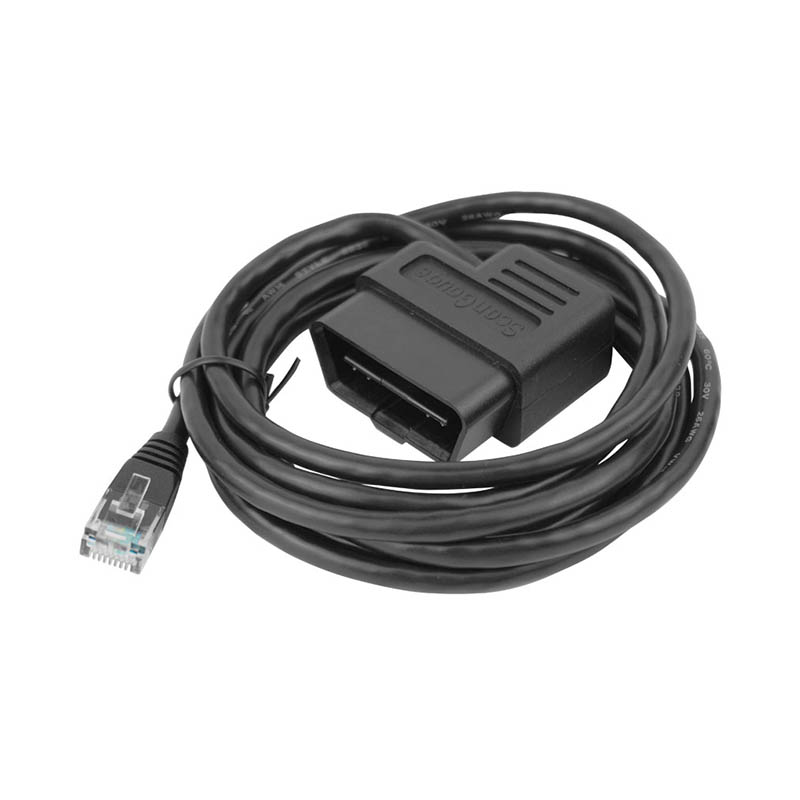
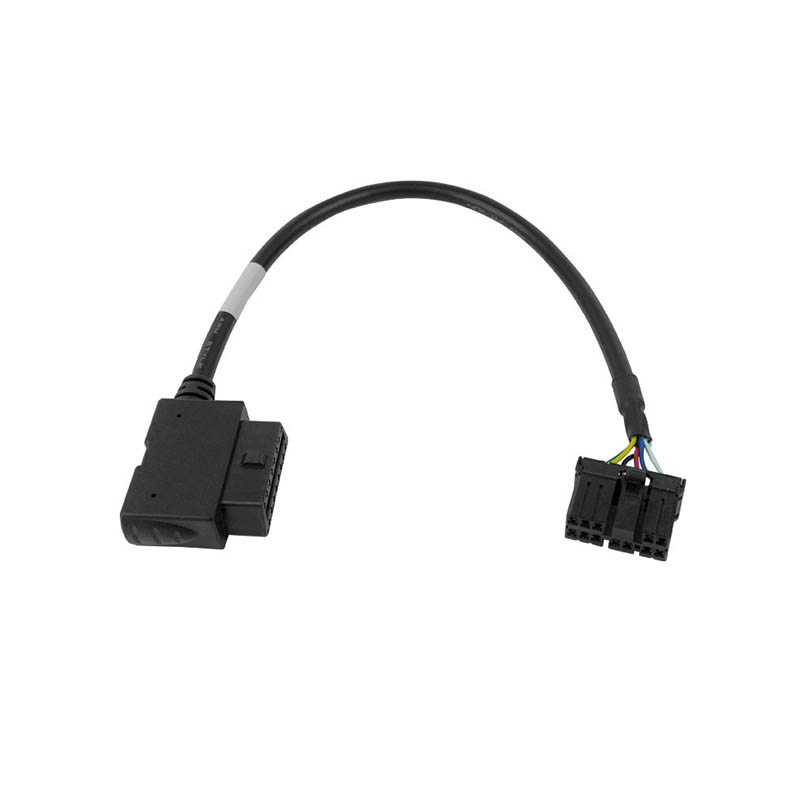
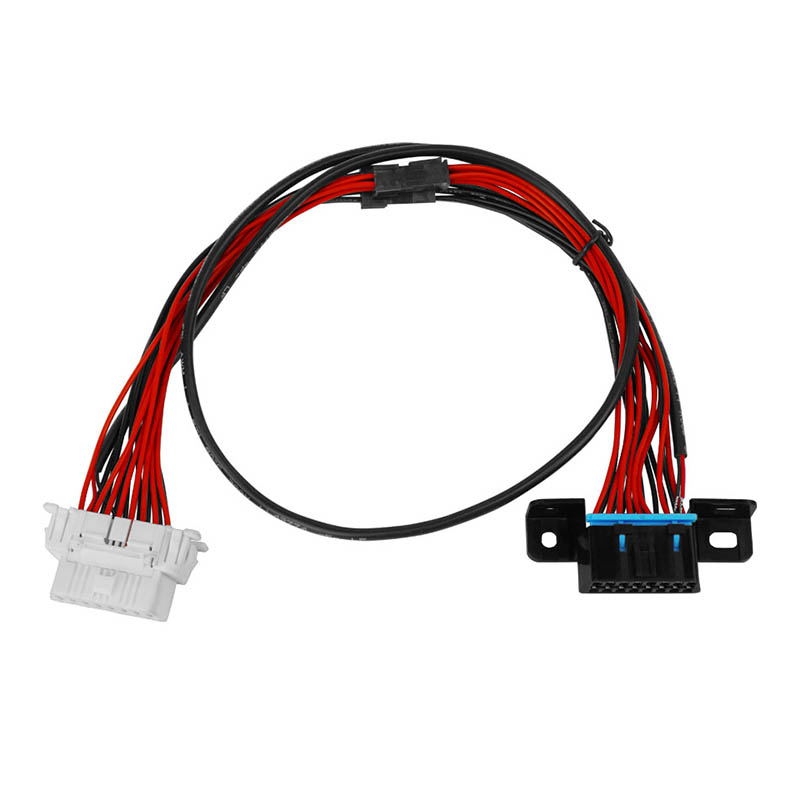
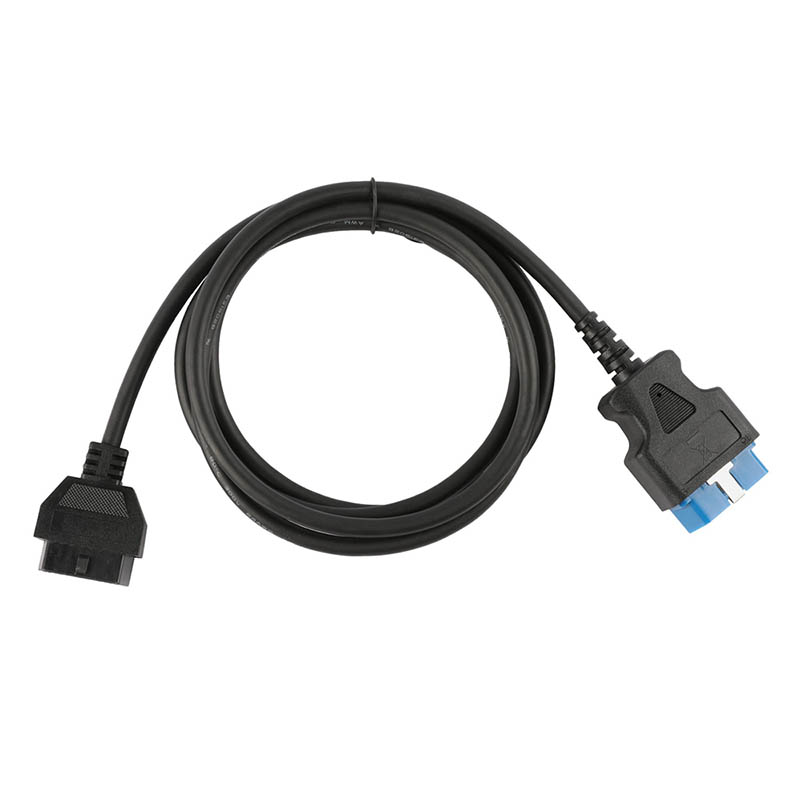
The core value of the OBD connector lies in its high degree of standardization and openness. Regardless of brand, origin, or model, all compliant vehicles use the same 16-pin D-type female connector, typically located on the dashboard below the steering wheel for easy access. This mandatory standardization breaks down the barriers of proprietary protocols among manufacturers, allowing universal diagnostic equipment to be used across brands. Through this interface, dozens of electronic systems within the vehicle, such as the engine control unit (ECU), transmission module, and body controller, can output real-time operating parameters and historical fault information in digital signal form, forming a complete "health record."
Its functionality extends far beyond reading fault codes. Modern OBD II supports multiple communication protocols, such as CAN, ISO 9141, and J1850, and can transmit hundreds of data streams, including engine speed, coolant temperature, intake air volume, fuel trim value, oxygen sensor voltage, vehicle speed, and even braking status. Professional equipment can analyze combustion efficiency and detect emission anomalies; tuning enthusiasts can monitor turbo boost pressure or air-fuel ratio; and fleet managers can use it to remotely collect fuel consumption and driving behavior data to optimize operating costs. This data transparency transforms the car from a closed mechanical device into an interactive intelligent terminal.
In terms of environmental regulation, the OBD connector acts as an "electronic eye." During annual inspections, testing stations directly read the self-test results of emission-related systems through it. If the catalytic converter fails or the EGR valve malfunctions, the system records and triggers a fault indicator light, ensuring the vehicle is always in compliance with regulations. This proactive monitoring mechanism significantly improves exhaust gas treatment efficiency, becoming a crucial technological support for improving urban air quality.
With the development of vehicle-to-everything (V2X) and mobile internet, the potential of OBD connectors has been further unleashed. Small Bluetooth or 4G OBD adapters can wirelessly transmit data to mobile apps, enabling features such as driving recording, acceleration alerts, electronic fences, and even anti-theft tracking. Developers have developed innovative functions based on open protocols, including fuel consumption analysis, driving performance ratings, and remote start/stop. Although some high-end models restrict core data, the openness of the basic diagnostic layer still provides ample space for third-party innovation.
Safety and reliability are also key design considerations. The interface features a mis-plugging prevention structure to ensure a secure connection; the internal circuitry integrates overvoltage and short-circuit protection to prevent external devices from damaging the vehicle network; rigorous electromagnetic compatibility testing ensures stable operation in complex electrical environments. These details have ensured the reliable use of hundreds of millions of vehicles for over two decades.
The existence of OBD connectors embodies the profound engineering philosophy that "standards are power." With 16 pins, it weaves a global road traffic data network; with a unified port, it drives systemic changes from regulatory enforcement to user empowerment. When technicians insert the diagnostic tool into the OBD connector, what lights up the screen is not just fault codes, but also an extension of human understanding of machines—because true intelligence begins with open dialogue; and true safety stems from transparent connectivity.
The core value of the OBD connector lies in its high degree of standardization and openness. Regardless of brand, origin, or model, all compliant vehicles use the same 16-pin D-type female connector, typically located on the dashboard below the steering wheel for easy access. This mandatory standardization breaks down the barriers of proprietary protocols among manufacturers, allowing universal diagnostic equipment to be used across brands. Through this interface, dozens of electronic systems within the vehicle, such as the engine control unit (ECU), transmission module, and body controller, can output real-time operating parameters and historical fault information in digital signal form, forming a complete "health record."
Its functionality extends far beyond reading fault codes. Modern OBD II supports multiple communication protocols, such as CAN, ISO 9141, and J1850, and can transmit hundreds of data streams, including engine speed, coolant temperature, intake air volume, fuel trim value, oxygen sensor voltage, vehicle speed, and even braking status. Professional equipment can analyze combustion efficiency and detect emission anomalies; tuning enthusiasts can monitor turbo boost pressure or air-fuel ratio; and fleet managers can use it to remotely collect fuel consumption and driving behavior data to optimize operating costs. This data transparency transforms the car from a closed mechanical device into an interactive intelligent terminal.
In terms of environmental regulation, the OBD connector acts as an "electronic eye." During annual inspections, testing stations directly read the self-test results of emission-related systems through it. If the catalytic converter fails or the EGR valve malfunctions, the system records and triggers a fault indicator light, ensuring the vehicle is always in compliance with regulations. This proactive monitoring mechanism significantly improves exhaust gas treatment efficiency, becoming a crucial technological support for improving urban air quality.
With the development of vehicle-to-everything (V2X) and mobile internet, the potential of OBD connectors has been further unleashed. Small Bluetooth or 4G OBD adapters can wirelessly transmit data to mobile apps, enabling features such as driving recording, acceleration alerts, electronic fences, and even anti-theft tracking. Developers have developed innovative functions based on open protocols, including fuel consumption analysis, driving performance ratings, and remote start/stop. Although some high-end models restrict core data, the openness of the basic diagnostic layer still provides ample space for third-party innovation.
Safety and reliability are also key design considerations. The interface features a mis-plugging prevention structure to ensure a secure connection; the internal circuitry integrates overvoltage and short-circuit protection to prevent external devices from damaging the vehicle network; rigorous electromagnetic compatibility testing ensures stable operation in complex electrical environments. These details have ensured the reliable use of hundreds of millions of vehicles for over two decades.
The existence of OBD connectors embodies the profound engineering philosophy that "standards are power." With 16 pins, it weaves a global road traffic data network; with a unified port, it drives systemic changes from regulatory enforcement to user empowerment. When technicians insert the diagnostic tool into the OBD connector, what lights up the screen is not just fault codes, but also an extension of human understanding of machines—because true intelligence begins with open dialogue; and true safety stems from transparent connectivity.