


How Does an OBD Connection Cable Become the Precise Nerve of Automotive Diagnostics?
Release Time : 2026-03-16
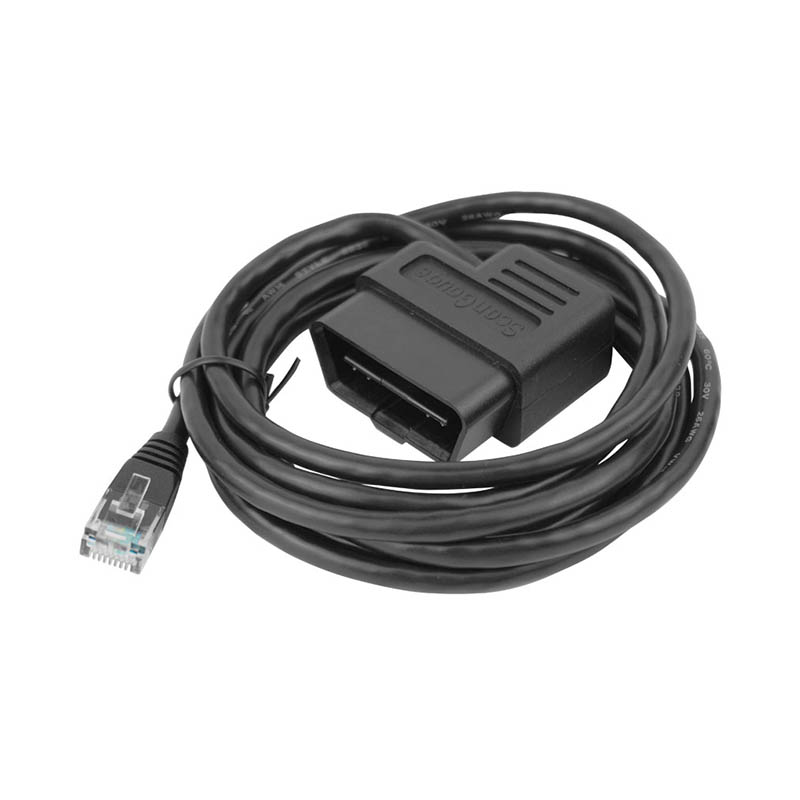
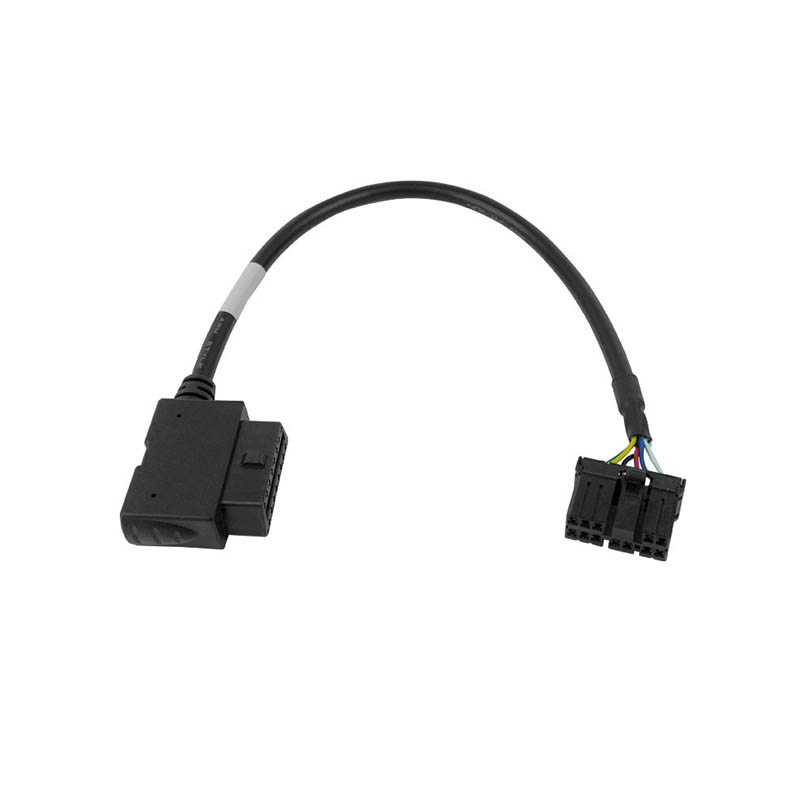
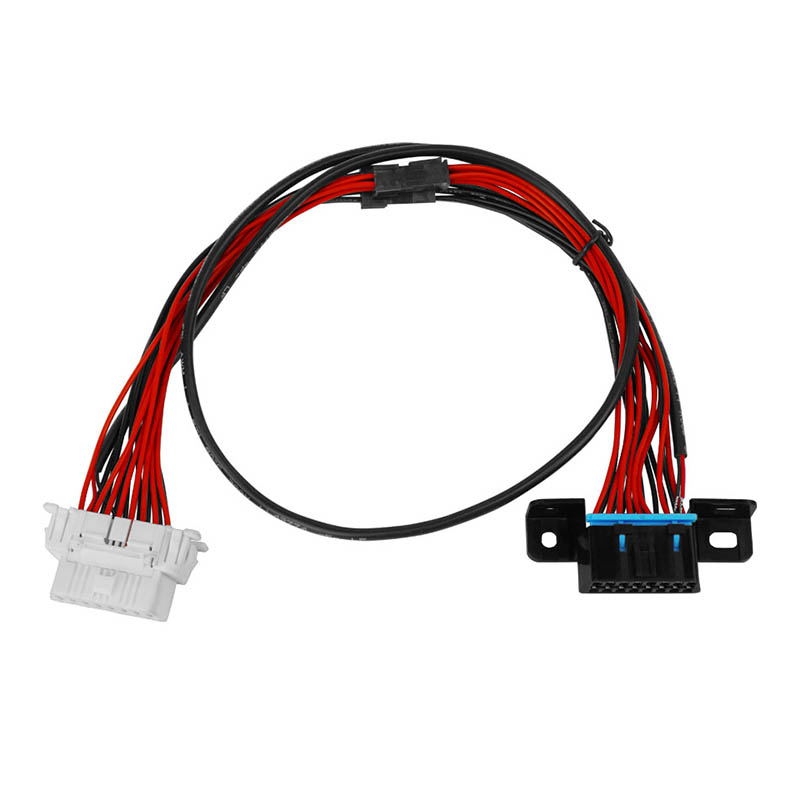
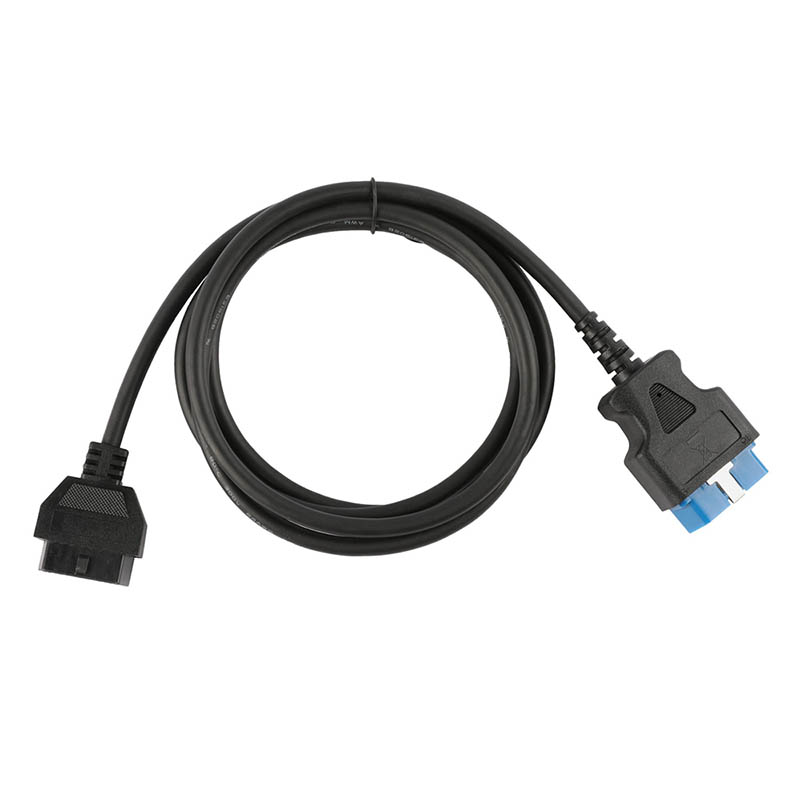
In the digital wave of modern automotive repair and maintenance, the OBD connection cable plays a crucial role, serving as the sole bridge connecting the complex electronic systems inside a vehicle to external diagnostic equipment. As a product of automotive industry standardization, a high-quality 16-pin OBD2 scanner cable is more than just a simple wire; it's the core nerve ensuring accurate data transmission, precise fault location, and vehicle health management. The materials science and manufacturing standards embodied in this seemingly ordinary cable directly determine the efficiency of diagnosis and the reliability of repair results.
Since the OBD interface became a globally unified standard in the 1990s, its 16-pin physical form has been fixed. However, this doesn't mean all cables offer the same performance. Inferior connection cables often suffer from significant defects in signal transmission stability, leading to data reading delays, packet loss, and even false fault codes, causing considerable trouble for repair personnel. The superiority of a high-quality OBD2 cable lies first and foremost in the selection of core wire materials and structural design. These cables typically use high-purity oxygen-free copper as the conductor. This material has extremely low resistivity and excellent conductivity, minimizing signal attenuation during long-distance transmission. The multi-strand stranding process not only increases the cable's flexibility, facilitating maneuverability in the confined space of the engine compartment, but also effectively resists damage to the internal conductors from vibrations generated during vehicle operation, ensuring a durable and stable physical connection.
The construction of the shielding layer is the dividing line between ordinary and high-end cables. The interior of a car is an extremely complex electromagnetic environment; the ignition system, alternator, and various sensors all generate strong electromagnetic interference. Without effective shielding, these noise signals can superimpose on diagnostic data, causing communication errors. High-quality OBD2 cables employ a double or even multi-layer shielding design. The inner layer is typically aluminum foil shielding, while the outer layer is wrapped with a high-density tin-plated copper braided mesh. This comprehensive shielding structure creates a tight Faraday cage effect, completely isolating external electromagnetic interference and preventing internal signals from radiating outwards, ensuring the purity and integrity of communication protocol data such as CAN bus and K-line signals. Only in such a pristine environment can the diagnostic tool accurately and in real-time obtain engine speed, coolant temperature, intake air volume, and fault codes for various systems.
The processing of the connector terminals is equally crucial to overall performance. High-quality 16-pin connectors are made of phosphor bronze with a gold-plated surface. Phosphor bronze possesses excellent elasticity, ensuring a tight and durable contact pressure between the pins and the vehicle's OBD interface socket, preventing poor contact due to loosening. The gold plating provides superior oxidation and corrosion resistance, maintaining low impedance characteristics at the contact interface even in harsh environments such as humidity, high temperatures, or oil contamination, preventing signal transmission blockage due to oxide film formation. Furthermore, the injection-molded stress-relief design at the rear effectively distributes stress during cable bending, preventing root breakage and significantly extending cable lifespan.
With the continuous improvement of automotive electronics, the data transmission rate of in-vehicle networks is also rapidly increasing, placing higher demands on the bandwidth of OBD connection cables. This new generation of high-quality cables was designed from the outset with high-speed data transmission in mind. Optimized twist pitch and impedance matching ensure signal integrity in high-speed communication modes. Whether reading static fault codes, performing dynamic data stream analysis, or even online programming and matching, this cable provides a silky-smooth experience.
For professional technicians and car enthusiasts, owning a high-quality 16-pin OBD2 scanner cable is like having a precise key to unlock the maze of automotive electronics. It eliminates communication barriers, making the diagnostic process efficient and transparent, revealing fault information hidden deep within the vehicle without reservation. In the fast-paced repair environment, the stability of this cable directly impacts the speed of vehicle repair and owner satisfaction. It is not merely an extension of tools, but a carrier of technology and trust, silently safeguarding the operational safety of every vehicle, making every diagnosis a precise health check, and driving the automotive aftermarket service towards greater professionalism and intelligence.
Since the OBD interface became a globally unified standard in the 1990s, its 16-pin physical form has been fixed. However, this doesn't mean all cables offer the same performance. Inferior connection cables often suffer from significant defects in signal transmission stability, leading to data reading delays, packet loss, and even false fault codes, causing considerable trouble for repair personnel. The superiority of a high-quality OBD2 cable lies first and foremost in the selection of core wire materials and structural design. These cables typically use high-purity oxygen-free copper as the conductor. This material has extremely low resistivity and excellent conductivity, minimizing signal attenuation during long-distance transmission. The multi-strand stranding process not only increases the cable's flexibility, facilitating maneuverability in the confined space of the engine compartment, but also effectively resists damage to the internal conductors from vibrations generated during vehicle operation, ensuring a durable and stable physical connection.
The construction of the shielding layer is the dividing line between ordinary and high-end cables. The interior of a car is an extremely complex electromagnetic environment; the ignition system, alternator, and various sensors all generate strong electromagnetic interference. Without effective shielding, these noise signals can superimpose on diagnostic data, causing communication errors. High-quality OBD2 cables employ a double or even multi-layer shielding design. The inner layer is typically aluminum foil shielding, while the outer layer is wrapped with a high-density tin-plated copper braided mesh. This comprehensive shielding structure creates a tight Faraday cage effect, completely isolating external electromagnetic interference and preventing internal signals from radiating outwards, ensuring the purity and integrity of communication protocol data such as CAN bus and K-line signals. Only in such a pristine environment can the diagnostic tool accurately and in real-time obtain engine speed, coolant temperature, intake air volume, and fault codes for various systems.
The processing of the connector terminals is equally crucial to overall performance. High-quality 16-pin connectors are made of phosphor bronze with a gold-plated surface. Phosphor bronze possesses excellent elasticity, ensuring a tight and durable contact pressure between the pins and the vehicle's OBD interface socket, preventing poor contact due to loosening. The gold plating provides superior oxidation and corrosion resistance, maintaining low impedance characteristics at the contact interface even in harsh environments such as humidity, high temperatures, or oil contamination, preventing signal transmission blockage due to oxide film formation. Furthermore, the injection-molded stress-relief design at the rear effectively distributes stress during cable bending, preventing root breakage and significantly extending cable lifespan.
With the continuous improvement of automotive electronics, the data transmission rate of in-vehicle networks is also rapidly increasing, placing higher demands on the bandwidth of OBD connection cables. This new generation of high-quality cables was designed from the outset with high-speed data transmission in mind. Optimized twist pitch and impedance matching ensure signal integrity in high-speed communication modes. Whether reading static fault codes, performing dynamic data stream analysis, or even online programming and matching, this cable provides a silky-smooth experience.
For professional technicians and car enthusiasts, owning a high-quality 16-pin OBD2 scanner cable is like having a precise key to unlock the maze of automotive electronics. It eliminates communication barriers, making the diagnostic process efficient and transparent, revealing fault information hidden deep within the vehicle without reservation. In the fast-paced repair environment, the stability of this cable directly impacts the speed of vehicle repair and owner satisfaction. It is not merely an extension of tools, but a carrier of technology and trust, silently safeguarding the operational safety of every vehicle, making every diagnosis a precise health check, and driving the automotive aftermarket service towards greater professionalism and intelligence.