


How to Ensure Compatibility with Different Vehicle Protocols for Cables OBD2 and OBDII Male to Female?
Release Time : 2026-03-31
In the field of automotive diagnostics and data reading, the OBDII interface, as a standardized communication port, is widely used across different brands and vehicle models. However, different vehicle models differ in communication protocols, signal definitions, and electrical characteristics, which places higher demands on the compatibility of Cables OBD2 and OBDII Male to Female.
1. Standard Interface Design is the Foundation of Compatibility
The OBDII interface uses a unified 16-pin standard structure at the physical level, which is a prerequisite for cross-vehicle compatibility. The adapter must be designed to strictly adhere to interface dimensions, pin arrangement, and mechanical tolerance standards to ensure stable connection with the OBD interfaces of different vehicles. At the same time, high-quality contact materials and precise manufacturing processes can reduce contact resistance and avoid data interruptions due to poor contact, thus providing a reliable foundation for multi-protocol communication.
2. Multi-Protocol Support Enhances Adaptability
Different vehicle models may use different communication protocols. To achieve broad compatibility, the OBDII adapter needs to support the transmission paths of multiple protocol signals in its internal wiring design. By rationally allocating the functions of each pin and ensuring the integrity of the signal path, adapters can automatically adapt to the communication methods of different vehicle models. Furthermore, some high-end adapter solutions incorporate intelligent identification modules to achieve automatic protocol switching, further enhancing ease of use.
3. Cable and Shielding Design Ensure Signal Stability
In practical use, electromagnetic interference can affect the stability of data transmission. Therefore, Cables OBD2 OBDII Male to Female typically use high-quality wires with multi-layer shielding structures to reduce the impact of external interference on the signal. Appropriate wire diameter selection and stranding structure can reduce signal attenuation, ensuring stable communication even over extended connection distances. This is particularly important for applications requiring real-time data reading.
4. Electrical Parameter Matching Ensures Safety and Reliability
The electrical systems of different vehicle models may differ in voltage range and signal strength. Adapters need to consider these differences during design, avoiding overvoltage or signal distortion issues through reasonable electrical parameter matching. For example, optimizing wire resistance and interface design can ensure that the signal does not experience significant attenuation during transmission. Meanwhile, adding necessary protection designs, such as overcurrent and short-circuit protection, also helps improve the overall system safety.
5. Structural Design Enhances Applicability and Durability
In practical applications, the OBD interface location may be narrow or difficult to operate. Adapters, through flexible cables or compact structural designs, can improve installation convenience and adapt to the spatial layout of different vehicle models. At the same time, enhancing the interface's plug-in/plug-out durability and vibration resistance ensures stable connection during long-term use, avoiding communication quality issues caused by mechanical factors.
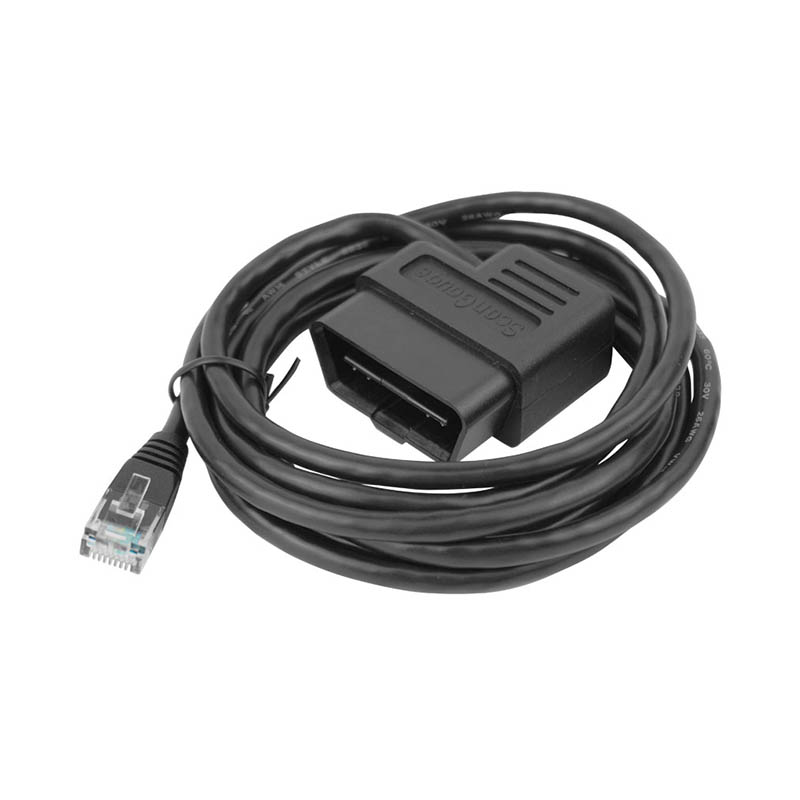
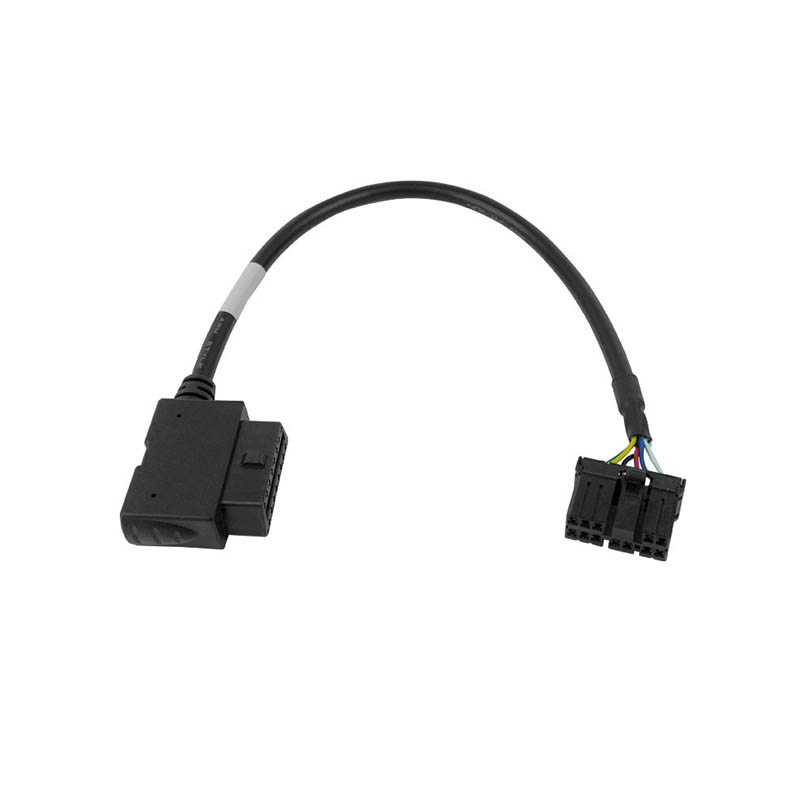
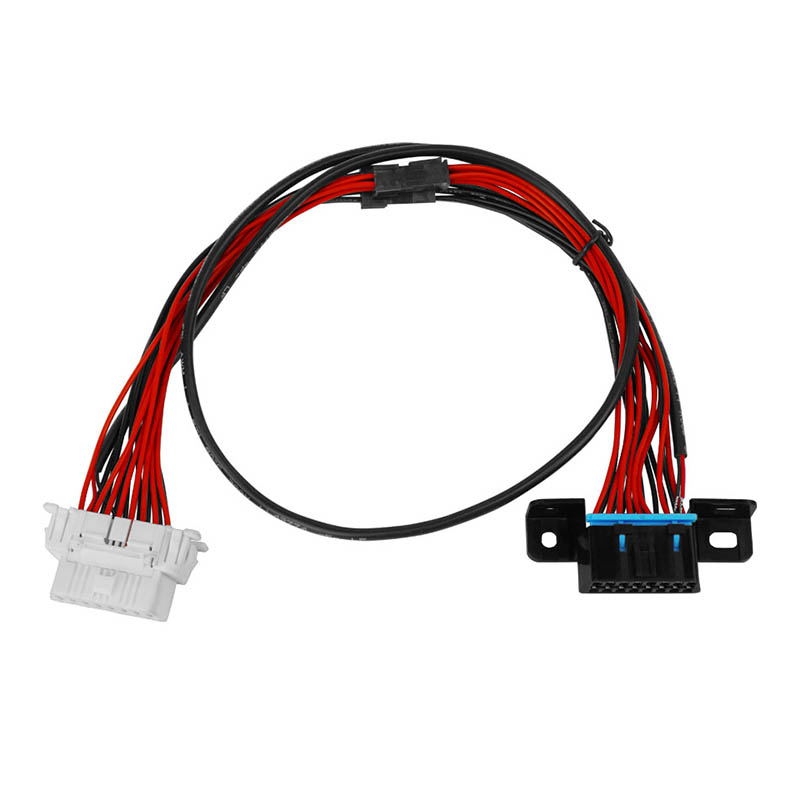
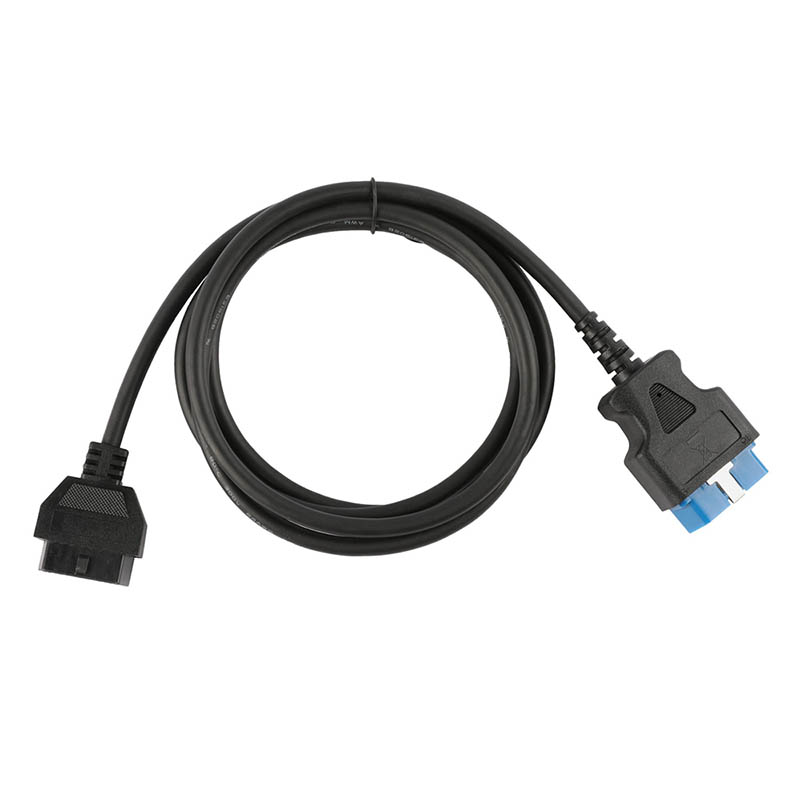
Cables OBD2 OBDII Male To Female: Through standard interface design, multi-protocol support, signal optimization, electrical matching, and structural reinforcement, good compatibility with different vehicle model protocols can be achieved. This not only improves the device's versatility but also provides reliable support for automotive diagnostics and data applications.
1. Standard Interface Design is the Foundation of Compatibility
The OBDII interface uses a unified 16-pin standard structure at the physical level, which is a prerequisite for cross-vehicle compatibility. The adapter must be designed to strictly adhere to interface dimensions, pin arrangement, and mechanical tolerance standards to ensure stable connection with the OBD interfaces of different vehicles. At the same time, high-quality contact materials and precise manufacturing processes can reduce contact resistance and avoid data interruptions due to poor contact, thus providing a reliable foundation for multi-protocol communication.
2. Multi-Protocol Support Enhances Adaptability
Different vehicle models may use different communication protocols. To achieve broad compatibility, the OBDII adapter needs to support the transmission paths of multiple protocol signals in its internal wiring design. By rationally allocating the functions of each pin and ensuring the integrity of the signal path, adapters can automatically adapt to the communication methods of different vehicle models. Furthermore, some high-end adapter solutions incorporate intelligent identification modules to achieve automatic protocol switching, further enhancing ease of use.
3. Cable and Shielding Design Ensure Signal Stability
In practical use, electromagnetic interference can affect the stability of data transmission. Therefore, Cables OBD2 OBDII Male to Female typically use high-quality wires with multi-layer shielding structures to reduce the impact of external interference on the signal. Appropriate wire diameter selection and stranding structure can reduce signal attenuation, ensuring stable communication even over extended connection distances. This is particularly important for applications requiring real-time data reading.
4. Electrical Parameter Matching Ensures Safety and Reliability
The electrical systems of different vehicle models may differ in voltage range and signal strength. Adapters need to consider these differences during design, avoiding overvoltage or signal distortion issues through reasonable electrical parameter matching. For example, optimizing wire resistance and interface design can ensure that the signal does not experience significant attenuation during transmission. Meanwhile, adding necessary protection designs, such as overcurrent and short-circuit protection, also helps improve the overall system safety.
5. Structural Design Enhances Applicability and Durability
In practical applications, the OBD interface location may be narrow or difficult to operate. Adapters, through flexible cables or compact structural designs, can improve installation convenience and adapt to the spatial layout of different vehicle models. At the same time, enhancing the interface's plug-in/plug-out durability and vibration resistance ensures stable connection during long-term use, avoiding communication quality issues caused by mechanical factors.
Cables OBD2 OBDII Male To Female: Through standard interface design, multi-protocol support, signal optimization, electrical matching, and structural reinforcement, good compatibility with different vehicle model protocols can be achieved. This not only improves the device's versatility but also provides reliable support for automotive diagnostics and data applications.