


How does a 22-pin to 16-pin OBD cable enable Toyota diagnostics?
Release Time : 2026-05-13
In the evolution of automotive technology, few transitions have been as significant as the shift from proprietary diagnostic systems to the globally standardized On-Board Diagnostics II (OBD-II) protocol. For Toyota owners and professional mechanics alike, this historical shift created a unique challenge. Many classic and older Toyota vehicles, particularly those manufactured between the late 1980s and the mid-1990s, were equipped with a proprietary 22-pin diagnostic connector rather than the modern 16-pin interface. The 22-pin to 16-pin OBD cable serves as the essential technological bridge, enabling modern diagnostic tools to communicate seamlessly with these older Toyota engine control units.
To understand the value of this cable, one must first recognize the physical and electronic divide it spans. Before the widespread enforcement of the OBD-II standard in 1996, manufacturers like Toyota utilized their own specific diagnostic protocols. These vehicles featured a 22-pin diagnostic box, often located under the hood, with specific pins like TE1 and E1 used for triggering diagnostic modes. In contrast, modern scan tools, code readers, and telematics devices are designed exclusively for the 16-pin SAE J1962 connector found in all post-1996 vehicles. Without an adapter, a modern mechanic holding a sophisticated digital scanner would be completely unable to interface with the electronic brain of a classic Toyota Supra, Celica, or Camry.
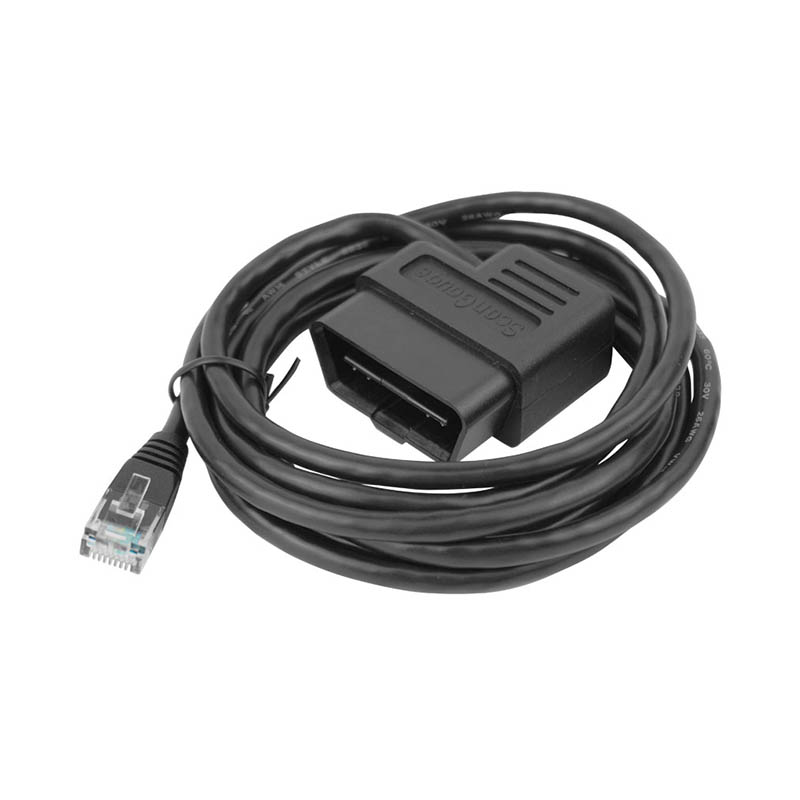
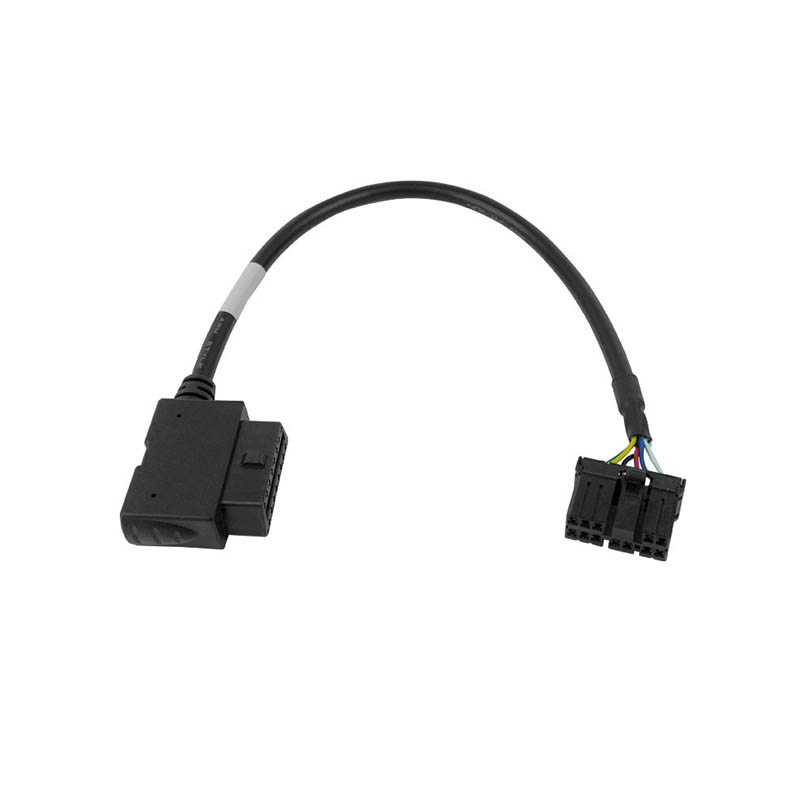
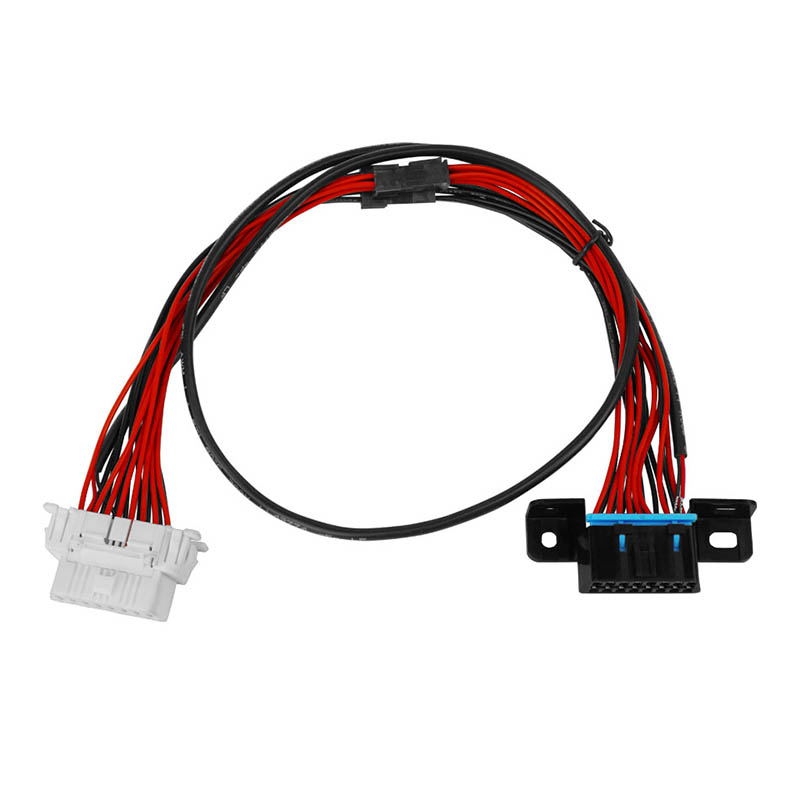
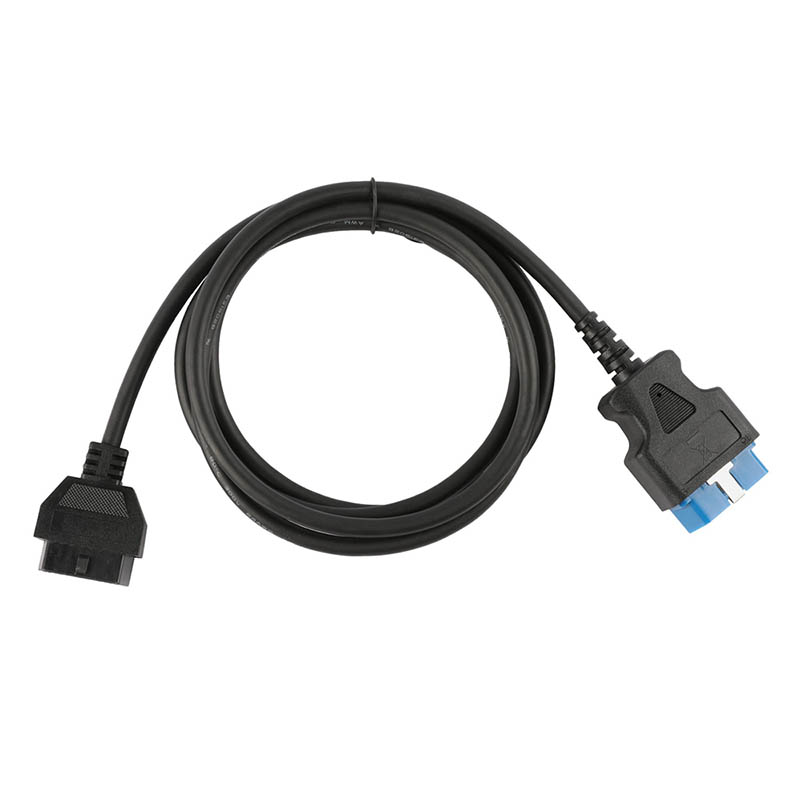
The 22-pin to 16-pin cable resolves this incompatibility through precise pin mapping and signal translation. It is not merely a physical extension cord; it is a carefully engineered interface that routes specific data lines from the Toyota proprietary port to the corresponding pins on the standard OBD-II connector. For instance, the cable maps the communication signals from the Toyota ECU (Electronic Control Unit) to the K-Line or J1850 pins on the 16-pin side. This physical bridging allows the modern scan tool to send standardized requests and receive the proprietary data responses from the older Toyota system. By establishing this electrical pathway, the cable effectively tricks the modern tool into communicating with a legacy system, translating the unique language of the older Toyota ECU into a format the diagnostic device can interpret.
This connectivity unlocks a wide range of diagnostic capabilities that were previously inaccessible without specialized, vintage equipment. With the cable connected, a technician can utilize a modern OBD-II scanner to read and clear diagnostic trouble codes (DTCs). Instead of relying on the archaic method of shorting pins and counting the flashes of the "Check Engine" light on the dashboard, the mechanic can view specific error codes directly on the digital screen of the scan tool. Furthermore, the cable enables the retrieval of live data streams. This allows for real-time monitoring of critical engine parameters such as oxygen sensor voltage, throttle position, coolant temperature, and fuel trim values. This level of insight is invaluable for tuning, troubleshooting intermittent drivability issues, and ensuring the vehicle meets emission standards.
The existence of this cable also plays a pivotal role in the preservation of automotive history. As classic Japanese performance cars continue to appreciate in value, the demand for accurate and efficient maintenance tools has grown. Enthusiasts restoring these vehicles often lack the original factory diagnostic computers, which are now rare and prohibitively expensive. The 22-pin to 16-pin adapter democratizes access to diagnostic data, allowing any owner with a standard, affordable OBD-II reader to perform advanced diagnostics. It ensures that the electronic systems of these classic vehicles can be properly maintained, calibrated, and repaired using readily available modern technology.
Ultimately, the 22-pin to 16-pin OBD cable is far more than a simple accessory. It is a vital compatibility tool that harmonizes decades of automotive engineering. By seamlessly connecting the proprietary architecture of older Toyota vehicles with the universal standard of modern diagnostics, it ensures that these machines can continue to run reliably and efficiently in the modern era.
To understand the value of this cable, one must first recognize the physical and electronic divide it spans. Before the widespread enforcement of the OBD-II standard in 1996, manufacturers like Toyota utilized their own specific diagnostic protocols. These vehicles featured a 22-pin diagnostic box, often located under the hood, with specific pins like TE1 and E1 used for triggering diagnostic modes. In contrast, modern scan tools, code readers, and telematics devices are designed exclusively for the 16-pin SAE J1962 connector found in all post-1996 vehicles. Without an adapter, a modern mechanic holding a sophisticated digital scanner would be completely unable to interface with the electronic brain of a classic Toyota Supra, Celica, or Camry.
The 22-pin to 16-pin cable resolves this incompatibility through precise pin mapping and signal translation. It is not merely a physical extension cord; it is a carefully engineered interface that routes specific data lines from the Toyota proprietary port to the corresponding pins on the standard OBD-II connector. For instance, the cable maps the communication signals from the Toyota ECU (Electronic Control Unit) to the K-Line or J1850 pins on the 16-pin side. This physical bridging allows the modern scan tool to send standardized requests and receive the proprietary data responses from the older Toyota system. By establishing this electrical pathway, the cable effectively tricks the modern tool into communicating with a legacy system, translating the unique language of the older Toyota ECU into a format the diagnostic device can interpret.
This connectivity unlocks a wide range of diagnostic capabilities that were previously inaccessible without specialized, vintage equipment. With the cable connected, a technician can utilize a modern OBD-II scanner to read and clear diagnostic trouble codes (DTCs). Instead of relying on the archaic method of shorting pins and counting the flashes of the "Check Engine" light on the dashboard, the mechanic can view specific error codes directly on the digital screen of the scan tool. Furthermore, the cable enables the retrieval of live data streams. This allows for real-time monitoring of critical engine parameters such as oxygen sensor voltage, throttle position, coolant temperature, and fuel trim values. This level of insight is invaluable for tuning, troubleshooting intermittent drivability issues, and ensuring the vehicle meets emission standards.
The existence of this cable also plays a pivotal role in the preservation of automotive history. As classic Japanese performance cars continue to appreciate in value, the demand for accurate and efficient maintenance tools has grown. Enthusiasts restoring these vehicles often lack the original factory diagnostic computers, which are now rare and prohibitively expensive. The 22-pin to 16-pin adapter democratizes access to diagnostic data, allowing any owner with a standard, affordable OBD-II reader to perform advanced diagnostics. It ensures that the electronic systems of these classic vehicles can be properly maintained, calibrated, and repaired using readily available modern technology.
Ultimately, the 22-pin to 16-pin OBD cable is far more than a simple accessory. It is a vital compatibility tool that harmonizes decades of automotive engineering. By seamlessly connecting the proprietary architecture of older Toyota vehicles with the universal standard of modern diagnostics, it ensures that these machines can continue to run reliably and efficiently in the modern era.