


How Does an OBD2 Cable Scanner Work?
Release Time : 2026-05-21
An OBD2 cable scanner serves as a vital communication bridge between a vehicle's complex internal computer systems and the driver or mechanic. Acting essentially as a translator, this handheld diagnostic tool plugs directly into a car's dedicated port to access, interpret, and display self-diagnostic information stored by the vehicle's Electronic Control Unit (ECU). Understanding how an OBD2 cable scanner works reveals the sophisticated yet standardized process that allows modern cars to communicate their health status clearly and efficiently.
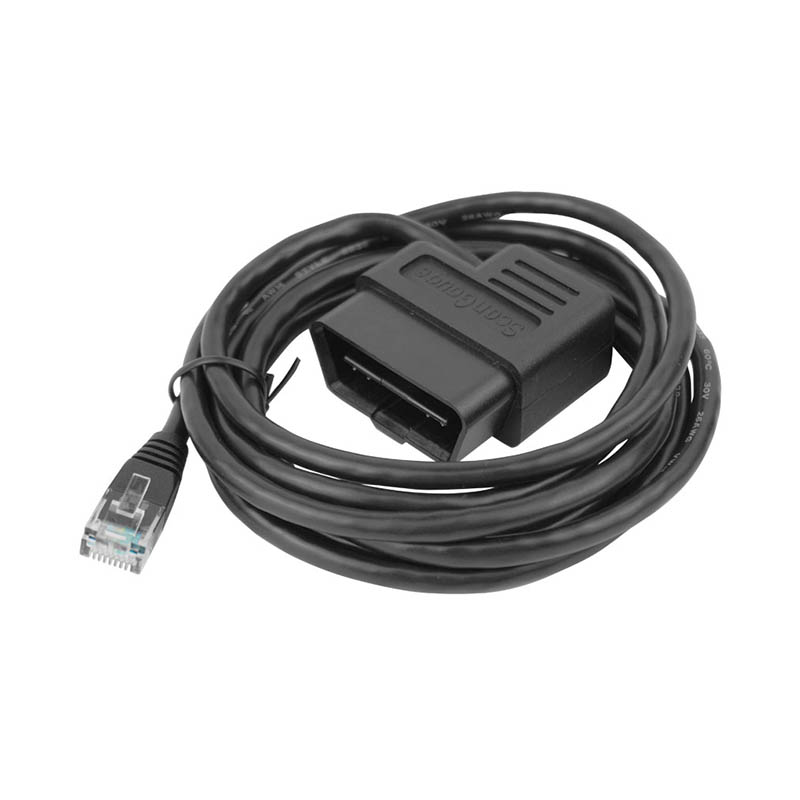
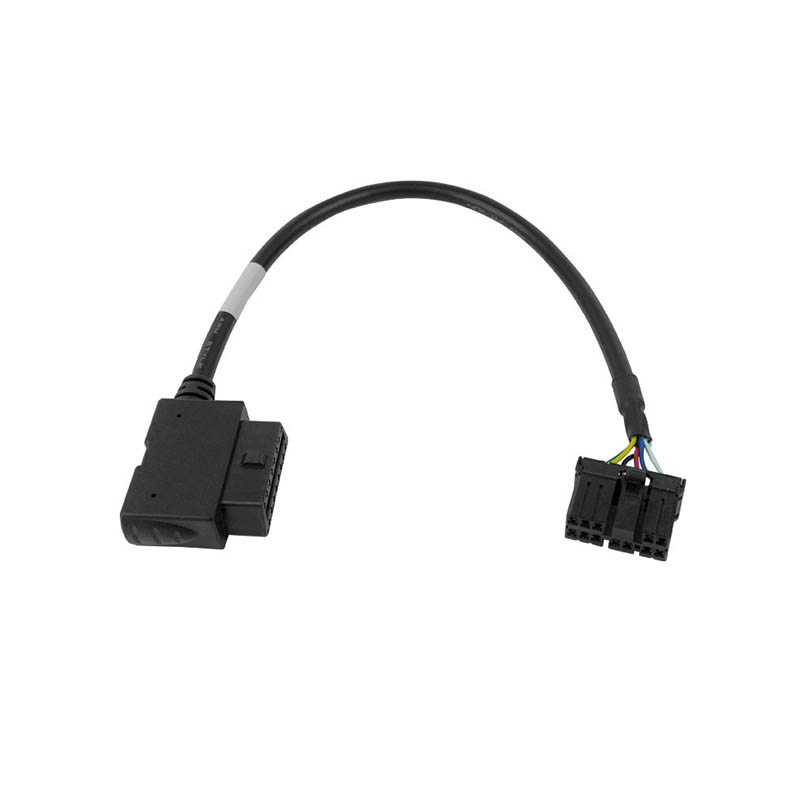
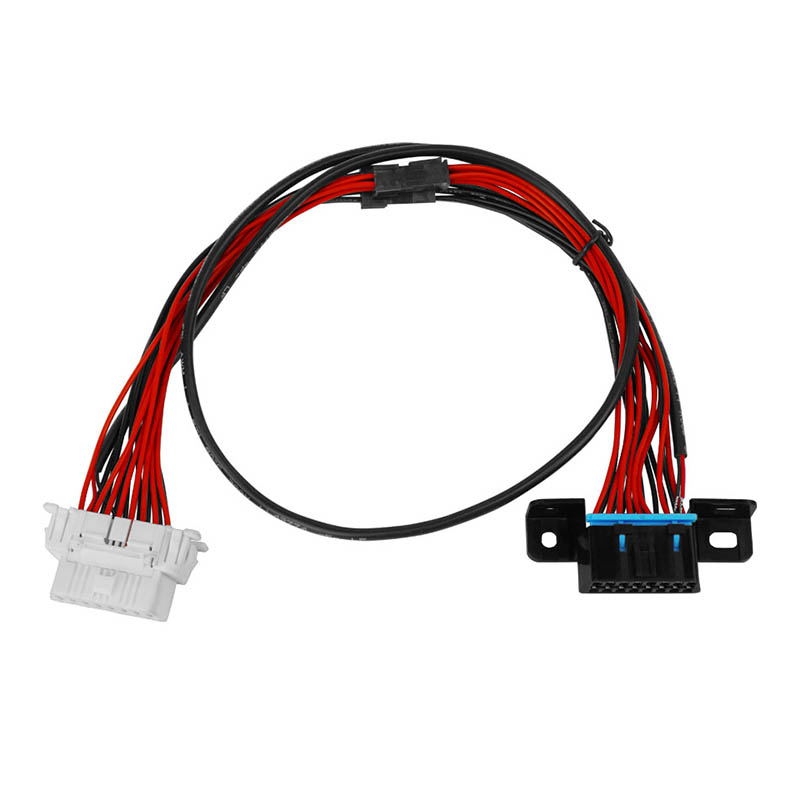
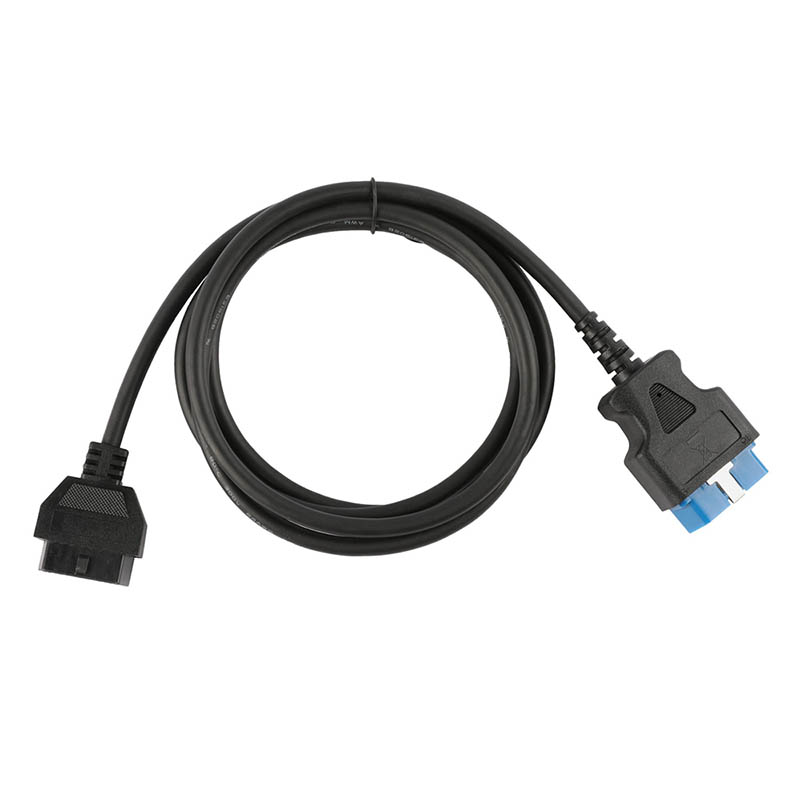
The operation of an OBD2 scanner begins with the universal physical connection established by the OBD-II standard. Mandated in the United States for all passenger cars and light trucks manufactured since 1996, this standardization ensures that every compliant vehicle is equipped with a specific 16-pin trapezoidal socket known as the Data Link Connector (DLC). This port is almost always located within the driver's cabin, typically under the dashboard near the steering column. When the user connects the OBD2 cable scanner to this DLC with the ignition turned on, the device draws power from the vehicle and immediately initiates a digital handshake with the car's onboard computers.
Once physically connected, the scanner must establish a digital dialogue using the correct communication protocol. Modern vehicles do not all "speak" the exact same electronic language; they utilize various protocols such as Controller Area Network (CAN-BUS), ISO 9141-2, or SAE J1850. A robust universal OBD2 cable scanner is designed to automatically detect which protocol the specific vehicle is using. It synchronizes with the ECU to gain access to the vast network of sensors monitoring the engine, transmission, and emissions systems. This seamless compatibility allows a single tool to diagnose a wide range of vehicle makes and models without requiring manual configuration.
The primary function of the scanner is to retrieve Diagnostic Trouble Codes (DTCs) when the vehicle detects a malfunction. If a sensor reports data outside of its normal operating range—such as an oxygen sensor detecting improper fuel mixture or a misfire in the ignition system—the ECU records a specific five-character code and usually illuminates the "Check Engine" light on the dashboard. The OBD2 scanner reads these codes, which follow a strict structure. The first character identifies the main system (e.g., 'P' for Powertrain, 'B' for Body, 'C' for Chassis, or 'U' for Network), while subsequent characters pinpoint the specific nature of the fault. By translating these cryptic alphanumeric codes into readable text, the scanner tells the user exactly which component or circuit requires attention.
Beyond simply reading static error codes, an OBD2 cable scanner provides dynamic insights through live data streaming and freeze frame analysis. Live data allows the user to view real-time sensor readings while the engine is running, displaying metrics like engine RPM, coolant temperature, vehicle speed, and throttle position. This feature is invaluable for diagnosing intermittent issues that may not trigger a permanent code but still affect performance. Additionally, the scanner can access "freeze frame" data, which captures a snapshot of the engine's operating conditions at the precise moment a fault occurred. This historical data helps mechanics recreate the scenario that caused the failure, leading to faster and more accurate repairs.
After the necessary repairs are completed, the OBD2 scanner performs the final critical step: clearing the trouble codes and resetting the system. By erasing the stored DTCs from the ECU's memory, the scanner turns off the check engine light and resets the vehicle's readiness monitors. These monitors are internal self-check programs that verify the emissions systems are functioning correctly. Once cleared, the vehicle must undergo a specific drive cycle to re-run these tests and confirm that the issue has been permanently resolved. Through this comprehensive cycle of connecting, reading, analyzing, and resetting, the OBD2 cable scanner empowers vehicle owners and technicians to maintain optimal car performance and compliance with emission standards.
The operation of an OBD2 scanner begins with the universal physical connection established by the OBD-II standard. Mandated in the United States for all passenger cars and light trucks manufactured since 1996, this standardization ensures that every compliant vehicle is equipped with a specific 16-pin trapezoidal socket known as the Data Link Connector (DLC). This port is almost always located within the driver's cabin, typically under the dashboard near the steering column. When the user connects the OBD2 cable scanner to this DLC with the ignition turned on, the device draws power from the vehicle and immediately initiates a digital handshake with the car's onboard computers.
Once physically connected, the scanner must establish a digital dialogue using the correct communication protocol. Modern vehicles do not all "speak" the exact same electronic language; they utilize various protocols such as Controller Area Network (CAN-BUS), ISO 9141-2, or SAE J1850. A robust universal OBD2 cable scanner is designed to automatically detect which protocol the specific vehicle is using. It synchronizes with the ECU to gain access to the vast network of sensors monitoring the engine, transmission, and emissions systems. This seamless compatibility allows a single tool to diagnose a wide range of vehicle makes and models without requiring manual configuration.
The primary function of the scanner is to retrieve Diagnostic Trouble Codes (DTCs) when the vehicle detects a malfunction. If a sensor reports data outside of its normal operating range—such as an oxygen sensor detecting improper fuel mixture or a misfire in the ignition system—the ECU records a specific five-character code and usually illuminates the "Check Engine" light on the dashboard. The OBD2 scanner reads these codes, which follow a strict structure. The first character identifies the main system (e.g., 'P' for Powertrain, 'B' for Body, 'C' for Chassis, or 'U' for Network), while subsequent characters pinpoint the specific nature of the fault. By translating these cryptic alphanumeric codes into readable text, the scanner tells the user exactly which component or circuit requires attention.
Beyond simply reading static error codes, an OBD2 cable scanner provides dynamic insights through live data streaming and freeze frame analysis. Live data allows the user to view real-time sensor readings while the engine is running, displaying metrics like engine RPM, coolant temperature, vehicle speed, and throttle position. This feature is invaluable for diagnosing intermittent issues that may not trigger a permanent code but still affect performance. Additionally, the scanner can access "freeze frame" data, which captures a snapshot of the engine's operating conditions at the precise moment a fault occurred. This historical data helps mechanics recreate the scenario that caused the failure, leading to faster and more accurate repairs.
After the necessary repairs are completed, the OBD2 scanner performs the final critical step: clearing the trouble codes and resetting the system. By erasing the stored DTCs from the ECU's memory, the scanner turns off the check engine light and resets the vehicle's readiness monitors. These monitors are internal self-check programs that verify the emissions systems are functioning correctly. Once cleared, the vehicle must undergo a specific drive cycle to re-run these tests and confirm that the issue has been permanently resolved. Through this comprehensive cycle of connecting, reading, analyzing, and resetting, the OBD2 cable scanner empowers vehicle owners and technicians to maintain optimal car performance and compliance with emission standards.