


How does the splitter type become the core hub for truck GPS and fault diagnosis systems?
Release Time : 2026-06-17
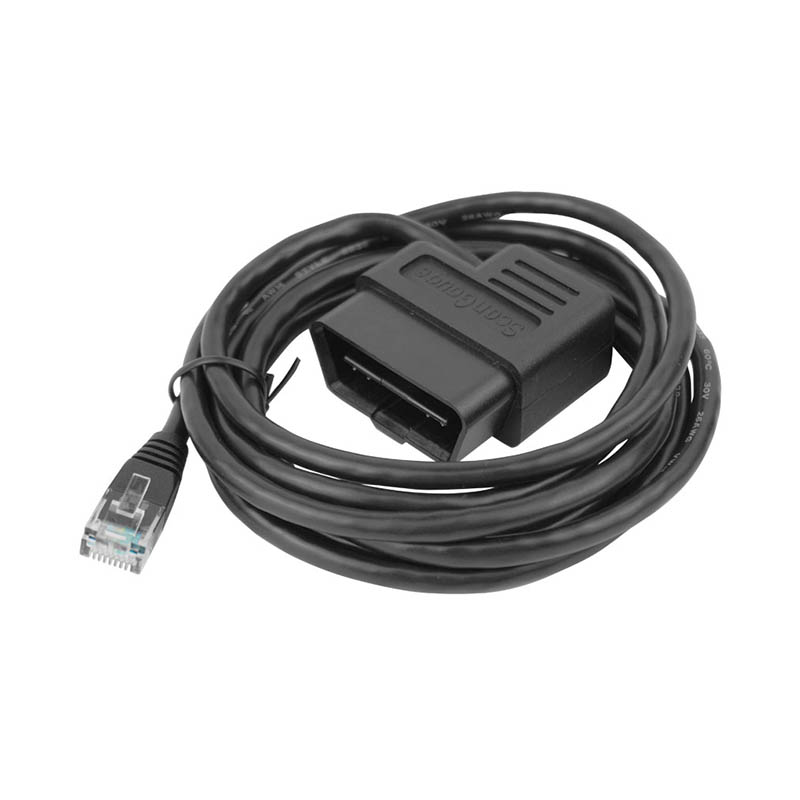
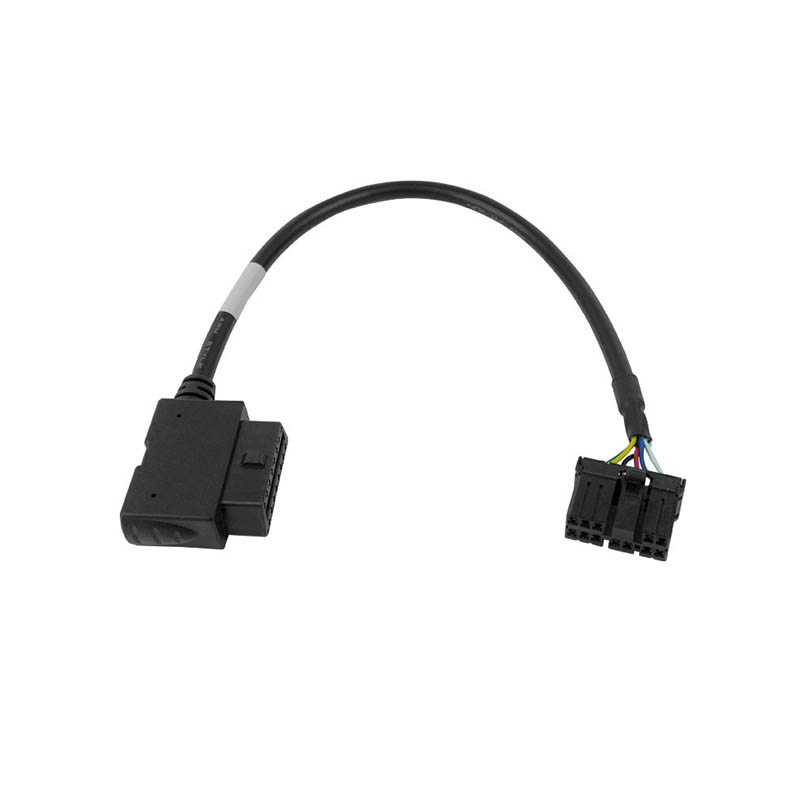
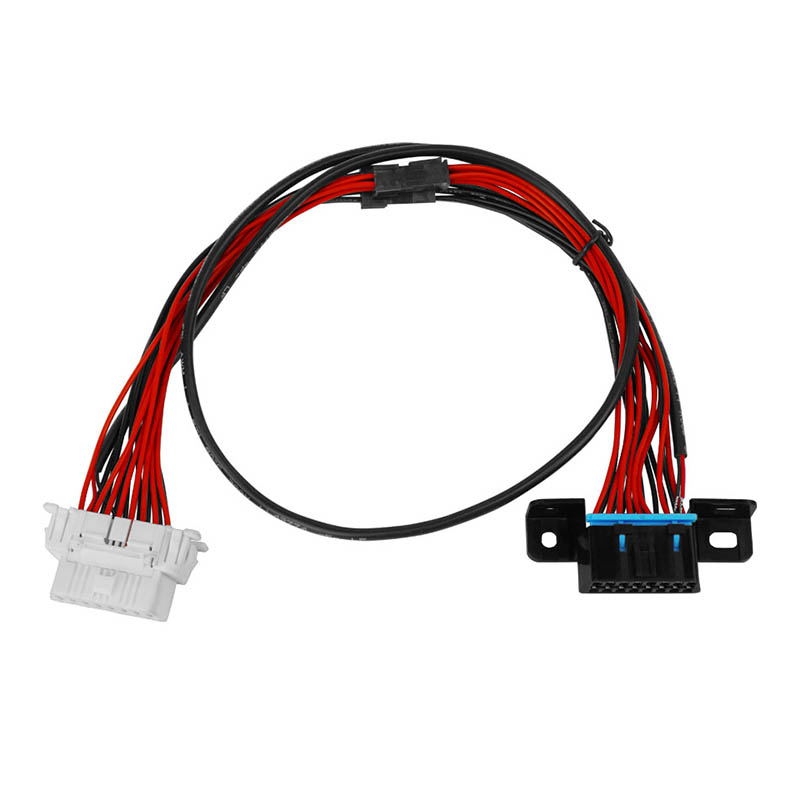
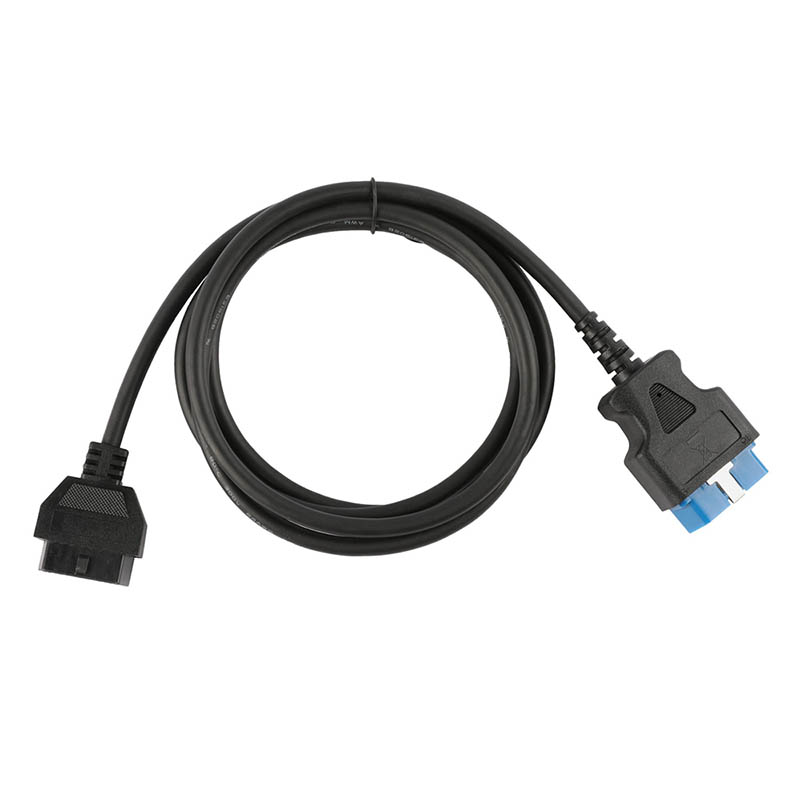
In the intelligent operation system of modern heavy commercial vehicles, the efficient operation of onboard terminal equipment and the accurate collection of vehicle-level data are crucial to ensuring fleet safety and logistics efficiency. The splitter type, a 2Y-type automotive wiring harness specifically designed for trucks, is gradually becoming a vital hub connecting the vehicle's core network with external intelligent devices due to its ingenious physical structure and highly integrated functions. This wiring harness was originally designed to solve the problems of insufficient interfaces and messy wiring faced by traditional trucks when adding or upgrading equipment. Through its 2Y branching structure, it can safely and stably convert the vehicle's original single communication or power interface into multiple independent output channels. This not only provides a dedicated power supply and data link for the truck GPS positioning terminal but also reserves additional interfaces for the access of other onboard auxiliary equipment. This modular branching design minimizes the need for cutting, stripping, or illegally modifying the vehicle's original wiring harness, ensuring the integrity and safety of the vehicle's electrical system while significantly reducing the difficulty of later maintenance and troubleshooting.
In terms of functional integration, the core highlight of this splitter type is its built-in professional fault code reader, achieving a deep integration of physical connection and data diagnostics. In traditional vehicle maintenance processes, reading vehicle fault codes often requires maintenance personnel to carry a dedicated diagnostic computer and perform cumbersome plug-and-play operations while the vehicle is stationary. The splitter type, with its integrated fault code reader, completely breaks down these time and space limitations. It can continuously monitor and parse the underlying communication data on the vehicle's CAN bus in real time, converting fault codes from critical components such as the engine, transmission, or emission system into standardized digital signals. This means that truck GPS terminals or fleet back-end management systems can directly obtain the real-time health status of vehicles through this wiring harness. When a vehicle experiences an anomaly on the road, the system can immediately capture the fault code and trigger an alarm, thus transforming traditional "reactive maintenance" into "real-time monitoring and preventative maintenance," significantly improving fleet operational efficiency and uptime.
From the perspective of vehicle electrical safety, trucks operate under complex conditions, and their electrical systems often face risks such as voltage fluctuations, electromagnetic interference, and accidental short circuits. A high-quality 2Y-type splitter type prioritizes electrical protection and signal integrity in its design. It typically uses high-specification automotive-grade wiring and connectors, boasting excellent wear resistance, tensile strength, and waterproof and dustproof properties, easily handling the harsh physical environment of the truck chassis or cab. More importantly, its internal circuitry incorporates overcurrent protection, overvoltage protection, and signal isolation mechanisms. When an externally connected GPS device or other load experiences an abnormal short circuit, the splitter type can quickly disconnect the fault circuit, preventing current backflow that could burn out the vehicle's original ECU (Electronic Control Unit) or expensive onboard terminals. Simultaneously, for fault code reading, it effectively filters out noise interference generated during vehicle operation, ensuring the accuracy of fault data transmitted to the backend, providing technicians with reliable diagnostic information.
In short, this 2Y-type truck GPS splitter type with a fault code reader has long surpassed the traditional scope of simple "splitting." It is an extension of the vehicle's physical wiring and a crucial tentacle of the vehicle's digital nervous system. By highly integrating power supply, data communication, and fault diagnosis functions into a single wiring harness, it not only provides a solid hardware foundation for the accurate positioning and stable operation of truck GPS, but also breaks down the barriers between the vehicle's underlying data and the upper-level management platform. In today's era of commercial vehicles becoming increasingly connected and intelligent, this innovative wiring harness product, which balances ease of installation, electrical safety, and data-enabled capabilities, is providing indispensable technical support for building a safer, more transparent, and more efficient intelligent operation system for the logistics and transportation industry.
In terms of functional integration, the core highlight of this splitter type is its built-in professional fault code reader, achieving a deep integration of physical connection and data diagnostics. In traditional vehicle maintenance processes, reading vehicle fault codes often requires maintenance personnel to carry a dedicated diagnostic computer and perform cumbersome plug-and-play operations while the vehicle is stationary. The splitter type, with its integrated fault code reader, completely breaks down these time and space limitations. It can continuously monitor and parse the underlying communication data on the vehicle's CAN bus in real time, converting fault codes from critical components such as the engine, transmission, or emission system into standardized digital signals. This means that truck GPS terminals or fleet back-end management systems can directly obtain the real-time health status of vehicles through this wiring harness. When a vehicle experiences an anomaly on the road, the system can immediately capture the fault code and trigger an alarm, thus transforming traditional "reactive maintenance" into "real-time monitoring and preventative maintenance," significantly improving fleet operational efficiency and uptime.
From the perspective of vehicle electrical safety, trucks operate under complex conditions, and their electrical systems often face risks such as voltage fluctuations, electromagnetic interference, and accidental short circuits. A high-quality 2Y-type splitter type prioritizes electrical protection and signal integrity in its design. It typically uses high-specification automotive-grade wiring and connectors, boasting excellent wear resistance, tensile strength, and waterproof and dustproof properties, easily handling the harsh physical environment of the truck chassis or cab. More importantly, its internal circuitry incorporates overcurrent protection, overvoltage protection, and signal isolation mechanisms. When an externally connected GPS device or other load experiences an abnormal short circuit, the splitter type can quickly disconnect the fault circuit, preventing current backflow that could burn out the vehicle's original ECU (Electronic Control Unit) or expensive onboard terminals. Simultaneously, for fault code reading, it effectively filters out noise interference generated during vehicle operation, ensuring the accuracy of fault data transmitted to the backend, providing technicians with reliable diagnostic information.
In short, this 2Y-type truck GPS splitter type with a fault code reader has long surpassed the traditional scope of simple "splitting." It is an extension of the vehicle's physical wiring and a crucial tentacle of the vehicle's digital nervous system. By highly integrating power supply, data communication, and fault diagnosis functions into a single wiring harness, it not only provides a solid hardware foundation for the accurate positioning and stable operation of truck GPS, but also breaks down the barriers between the vehicle's underlying data and the upper-level management platform. In today's era of commercial vehicles becoming increasingly connected and intelligent, this innovative wiring harness product, which balances ease of installation, electrical safety, and data-enabled capabilities, is providing indispensable technical support for building a safer, more transparent, and more efficient intelligent operation system for the logistics and transportation industry.