


How does an OBDII Tesla Model S/X Adapter Cable work?
Release Time : 2026-06-24
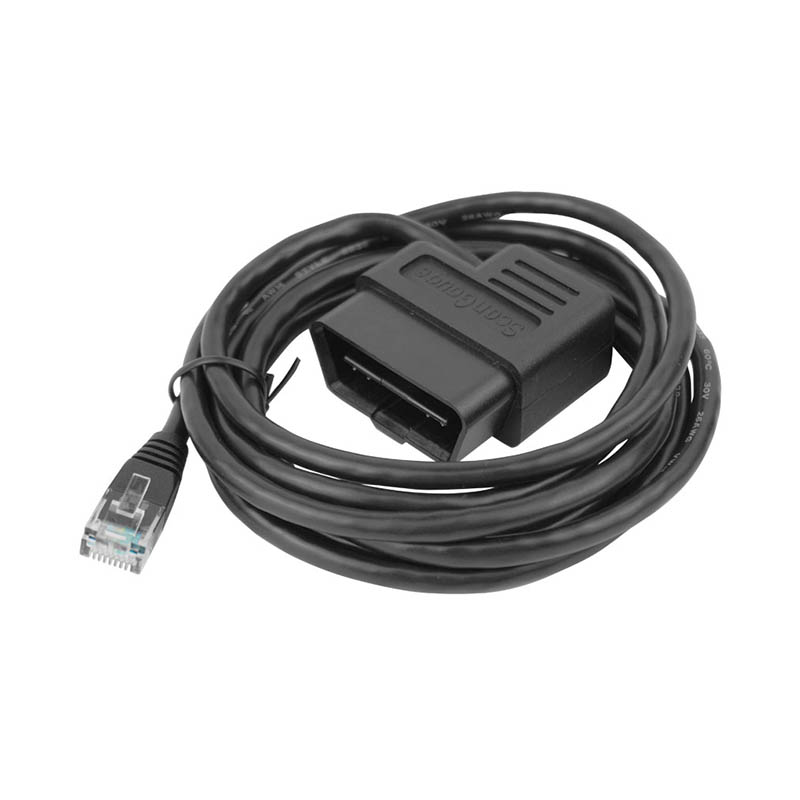
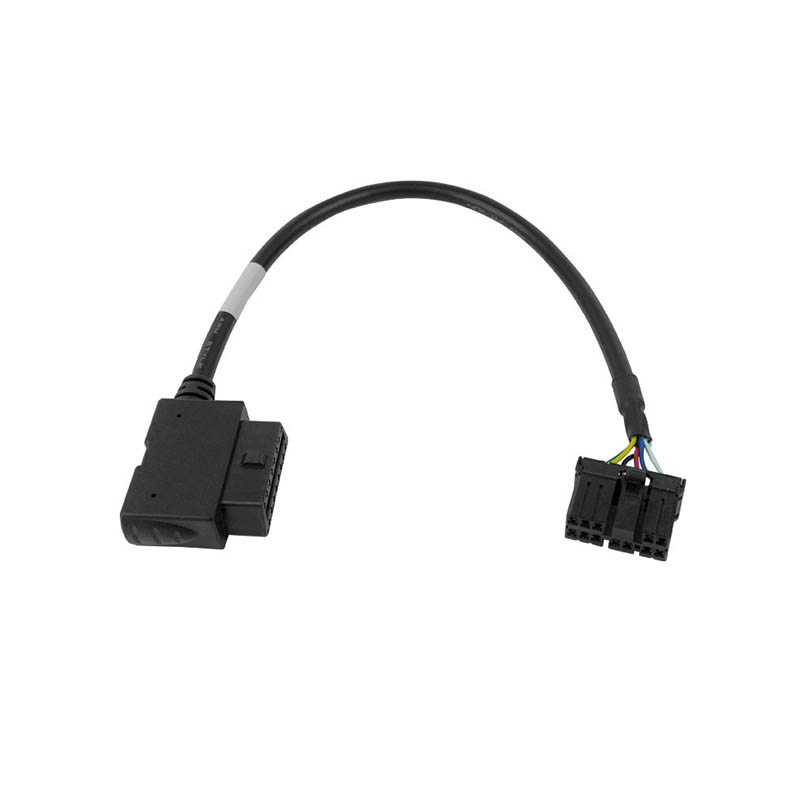
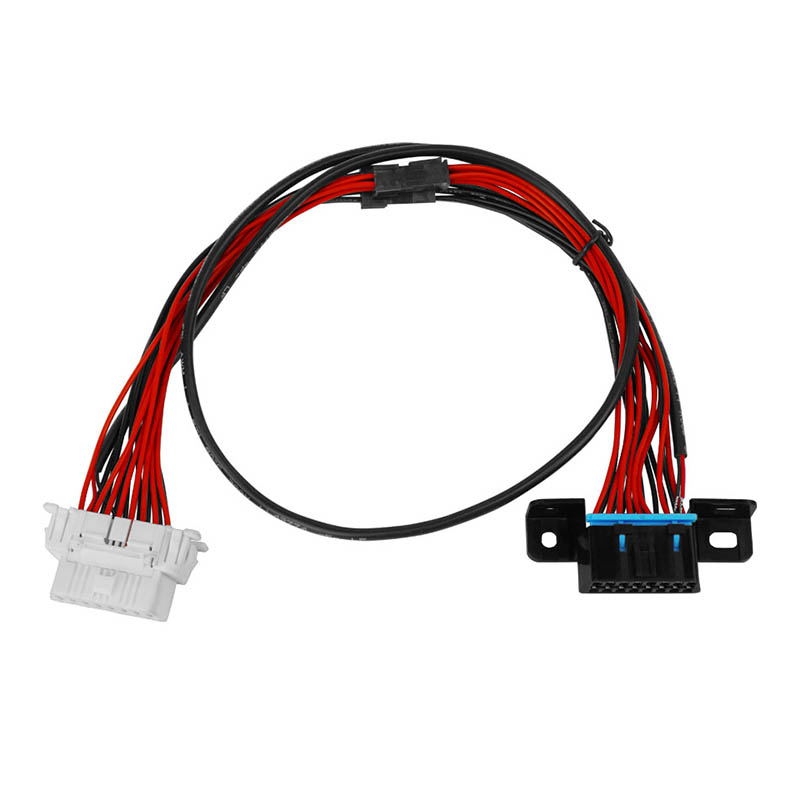
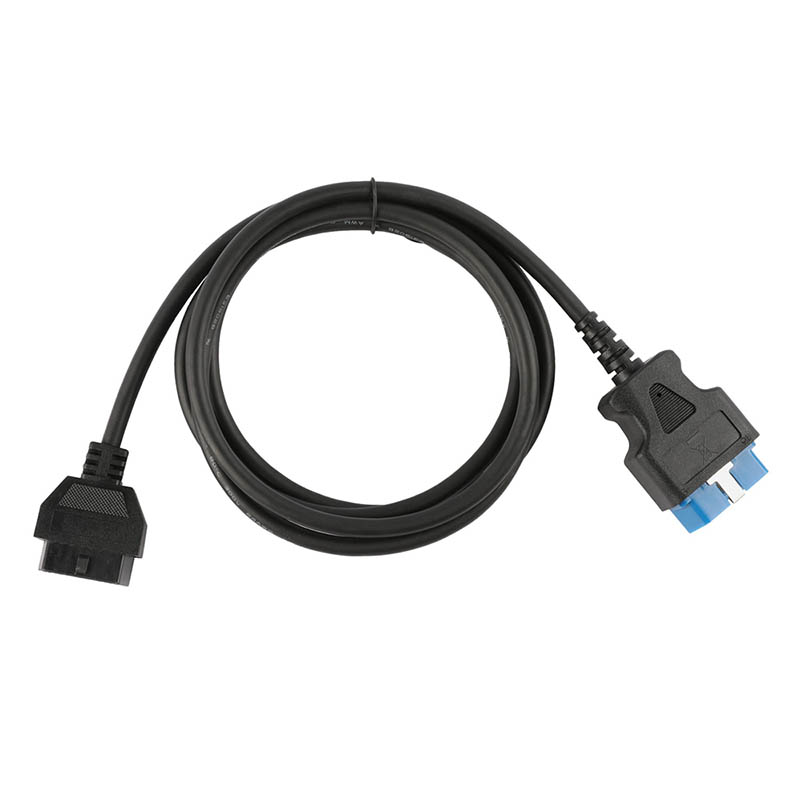
The OBDII Tesla Model S/X Adapter Cable serves as a critical bridge between Tesla’s proprietary vehicle network and standard automotive diagnostic tools. Unlike traditional internal combustion engine vehicles that feature a universally accessible OBDII port, Tesla vehicles do not have a factory-installed diagnostic port in the cabin. To enable mechanics, fleet managers, and enthusiasts to access vehicle data, this specialized adapter cable provides a safe and standardized physical connection to the car's internal Controller Area Network (CAN) bus.
The adapter cable works by interfacing directly with the vehicle’s internal wiring harness, typically accessed through the rear console area or specific diagnostic points under the dashboard. Tesla’s internal network utilizes a high-speed CAN bus architecture to allow the various Electronic Control Units (ECUs) within the vehicle to communicate with each other. The adapter cable is engineered to tap into specific pins of this internal network, most notably the CAN High and CAN Low data lines, as well as the necessary power and ground connections. By physically connecting to these specific circuits, the adapter translates Tesla’s internal data streams into the standardized OBDII format.
Once the adapter is securely connected and the vehicle is powered on, it acts as a passive gateway. The OBDII diagnostic scanner or data logger plugged into the adapter’s female port sends standard OBDII requests. The adapter routes these requests onto Tesla’s internal CAN bus. The vehicle’s ECUs, such as the Battery Management System (BMS), Drive Unit Controller, and Thermal Management System, process these requests and send back standardized Diagnostic Trouble Codes (DTCs) and real-time Parameter IDs (PIDs). The adapter then relays this information back to the external scanning tool.
This mechanism allows users to perform a wide range of diagnostic and monitoring functions. Users can read and clear fault codes that trigger dashboard warning lights, monitor real-time battery cell voltages, track motor temperatures, and view regenerative braking data. Advanced users and professional technicians can also use the adapter to perform firmware updates or calibrate specific vehicle modules.
Safety and precision are paramount in the design and operation of this adapter cable. Because it connects directly to the vehicle’s high-speed communication backbone, the cable must be manufactured with exacting tolerances to prevent signal interference or electrical shorts. The internal wiring is carefully shielded to protect against electromagnetic interference from the high-voltage traction battery and electric motors. Furthermore, the adapter includes built-in protection circuits to prevent accidental voltage spikes from the diagnostic tool from damaging the sensitive ECUs within the Tesla.
It is also important to note that while the adapter provides access to the vehicle’s network, it does not grant unrestricted control. Modern Tesla vehicles utilize a gateway module that acts as a security firewall. This gateway ensures that only authorized diagnostic commands are executed, preventing malicious actors or faulty equipment from altering critical vehicle parameters or compromising the vehicle’s safety systems.
In summary, the OBDII Tesla Model S/X Adapter Cable operates by physically bridging a standardized diagnostic port to Tesla’s proprietary internal CAN bus. Through precise pin mapping and secure signal routing, it translates external diagnostic requests into internal vehicle data, providing a safe, reliable, and essential window into the complex electronic systems of Tesla’s electric vehicles.
The adapter cable works by interfacing directly with the vehicle’s internal wiring harness, typically accessed through the rear console area or specific diagnostic points under the dashboard. Tesla’s internal network utilizes a high-speed CAN bus architecture to allow the various Electronic Control Units (ECUs) within the vehicle to communicate with each other. The adapter cable is engineered to tap into specific pins of this internal network, most notably the CAN High and CAN Low data lines, as well as the necessary power and ground connections. By physically connecting to these specific circuits, the adapter translates Tesla’s internal data streams into the standardized OBDII format.
Once the adapter is securely connected and the vehicle is powered on, it acts as a passive gateway. The OBDII diagnostic scanner or data logger plugged into the adapter’s female port sends standard OBDII requests. The adapter routes these requests onto Tesla’s internal CAN bus. The vehicle’s ECUs, such as the Battery Management System (BMS), Drive Unit Controller, and Thermal Management System, process these requests and send back standardized Diagnostic Trouble Codes (DTCs) and real-time Parameter IDs (PIDs). The adapter then relays this information back to the external scanning tool.
This mechanism allows users to perform a wide range of diagnostic and monitoring functions. Users can read and clear fault codes that trigger dashboard warning lights, monitor real-time battery cell voltages, track motor temperatures, and view regenerative braking data. Advanced users and professional technicians can also use the adapter to perform firmware updates or calibrate specific vehicle modules.
Safety and precision are paramount in the design and operation of this adapter cable. Because it connects directly to the vehicle’s high-speed communication backbone, the cable must be manufactured with exacting tolerances to prevent signal interference or electrical shorts. The internal wiring is carefully shielded to protect against electromagnetic interference from the high-voltage traction battery and electric motors. Furthermore, the adapter includes built-in protection circuits to prevent accidental voltage spikes from the diagnostic tool from damaging the sensitive ECUs within the Tesla.
It is also important to note that while the adapter provides access to the vehicle’s network, it does not grant unrestricted control. Modern Tesla vehicles utilize a gateway module that acts as a security firewall. This gateway ensures that only authorized diagnostic commands are executed, preventing malicious actors or faulty equipment from altering critical vehicle parameters or compromising the vehicle’s safety systems.
In summary, the OBDII Tesla Model S/X Adapter Cable operates by physically bridging a standardized diagnostic port to Tesla’s proprietary internal CAN bus. Through precise pin mapping and secure signal routing, it translates external diagnostic requests into internal vehicle data, providing a safe, reliable, and essential window into the complex electronic systems of Tesla’s electric vehicles.