


How do male-female connector harnesses build the intricate neural networks of modern industry and smart devices?
Release Time : 2026-06-29
In today’s highly electrified and intelligent society, a vast and complex circuit system lies hidden within everything from electric vehicles navigating city streets and precision-operating industrial robots to the base station equipment that ensures seamless communication. Serving as the core medium of these systems, male female connector harnesses shoulder the dual responsibility of distributing power to various subsystems and transmitting critical signals. Much like the blood vessels and nerves in a living organism, they tightly link disparate electrical components into an organic whole, ensuring the smooth flow of current and commands. As device integration advances, wire harnesses have evolved far beyond simple wire bundling; they are now system-level components that integrate precision manufacturing, materials science, and structural design, with their reliability directly determining the overall performance and service life of the end product.
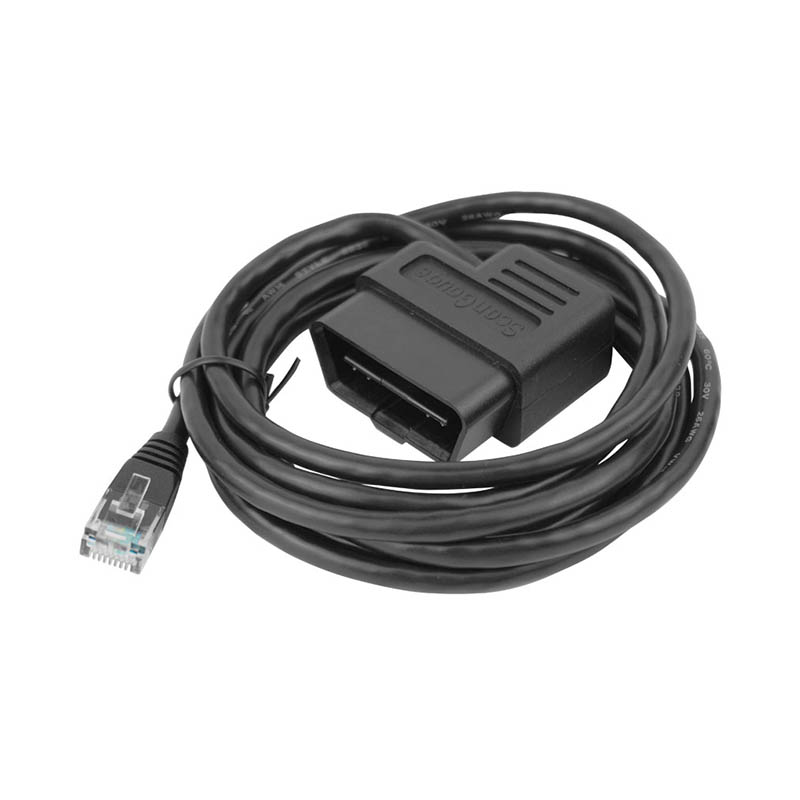
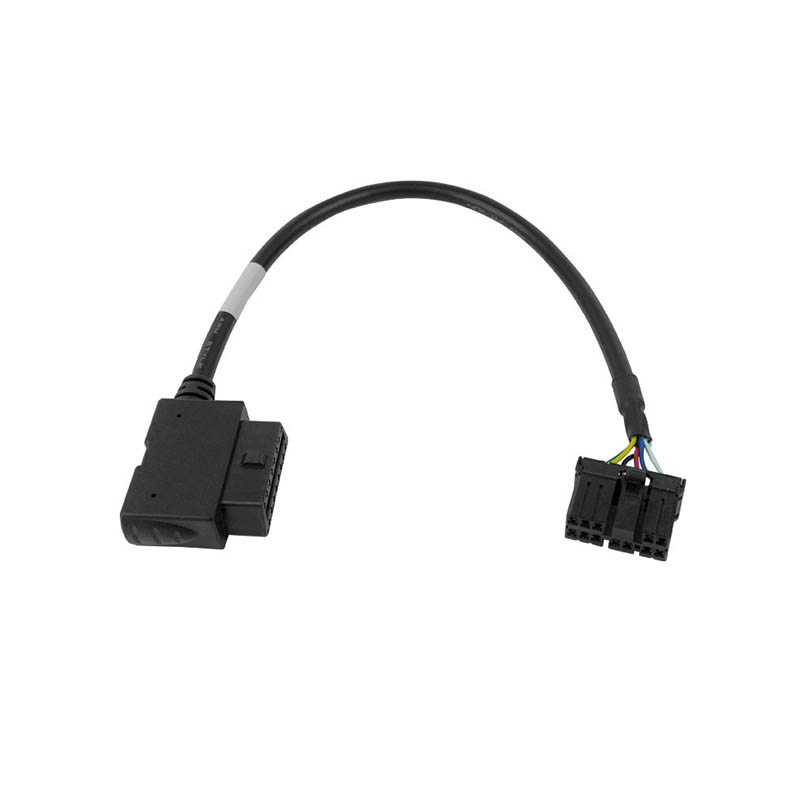
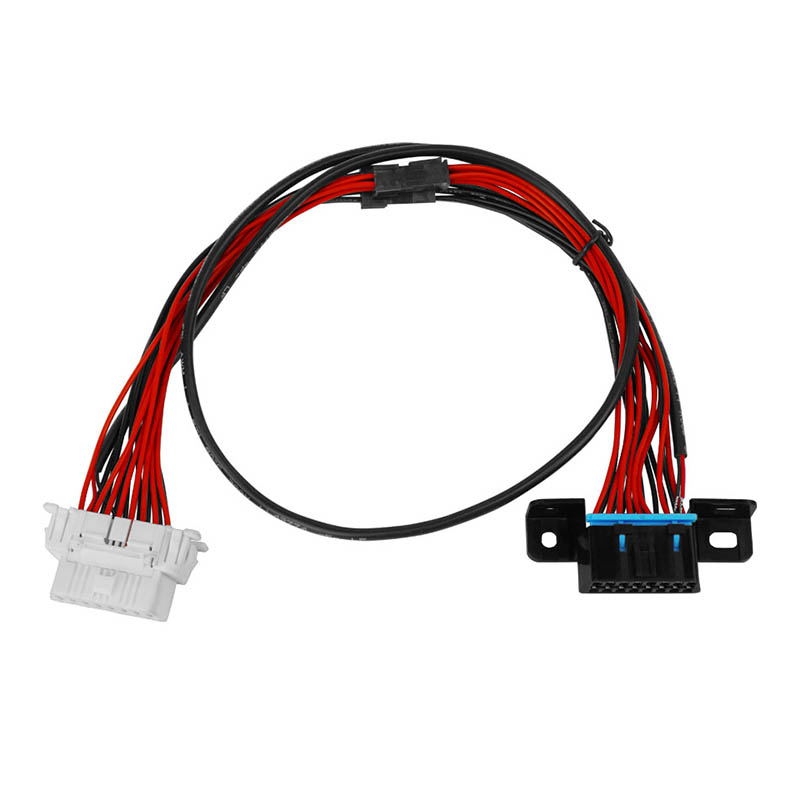
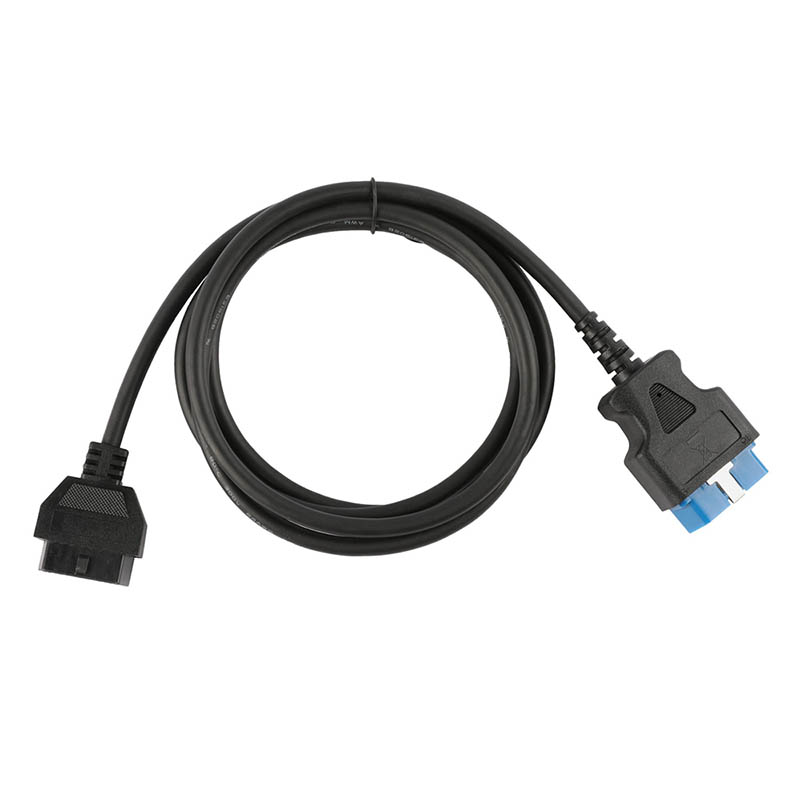
Male and female connectors serve as the vital interface between the harness and electrical equipment, embodying sophisticated engineering. Typically consisting of a male end (featuring pin- or rod-like contacts) and a female end (featuring spring- or tube-like contacts), they achieve electrical continuity through a precise mating fit. To prevent poor contact caused by vibration or shock, modern connectors widely employ multiple locking mechanisms. For instance, the Connector Position Assurance (CPA) mechanism provides an extra layer of physical security after mating, preventing the latch from disengaging accidentally; meanwhile, the Terminal Position Assurance (TPA) structure ensures the metal terminals remain absolutely secure within the plastic housing, eliminating the risk of terminal back-out. Furthermore, for harsh outdoor or humid environments, waterproof connectors utilize specialized sealing rings and blind plug designs to effectively prevent issues like capillary wicking and water ingress, establishing an impenetrable physical barrier for the internal circuitry.
As flexible components, wire harnesses follow highly complex routing paths within vehicles or large-scale equipment, placing rigorous demands on assembly processes. To prevent errors such as incorrect insertion or missed connections during final assembly, engineers incorporate multi-layered error-proofing mechanisms right from the design stage. Structural error-proofing ensures that unrelated connectors cannot be physically mated; by applying the male-female pairing principle—designating the component fixed first as the "male" end and the one connected later as the "female" end—assembly paths are optimized and interference is minimized. Manufacturing processes are meticulously planned at every stage, from precise wire stripping and automated terminal crimping to complex pre-assembly procedures. Well-designed pre-assembly and final assembly stations not only balance the workload along the production line but also utilize standardized operating procedures to ensure the orderly arrangement and secure fastening of thousands of wires within a confined space.
Modern industrial equipment and vehicles often operate in environments characterized by high temperatures, oil contamination, intense vibration, and complex electromagnetic interference, placing rigorous demands on material selection and protective design for wire harnesses. As the core component of the harness, a wire's current-carrying capacity is determined by the interplay of wire gauge, conductor resistivity, and ambient temperature; therefore, selection must be precise based on load requirements. To withstand environmental hazards, harnesses are typically wrapped in materials such as corrugated tubing, PVC tape, felt tape, or aluminum foil tape; these materials offer superior abrasion resistance, heat resistance, or shielding properties, providing comprehensive protection for the internal wiring. Furthermore, the strategic use of fasteners—such as cable ties, clips, and rubber grommets—not only guides the harness routing but also effectively absorbs vibration energy during operation, preventing insulation damage caused by long-term friction and significantly enhancing the system's overall durability.
With the rapid development of cutting-edge technologies such as new energy, autonomous driving, and the industrial internet, male female connector harness are ushering in a new round of technological changes. In the new energy vehicle sector, high-voltage harnesses demand superior high-voltage tolerance, heat resistance, and vibration resilience from connectors, driving the widespread adoption of materials that offer low contact resistance and extended mating lifecycles. Regarding data transmission, to support the real-time exchange of massive amounts of information, harnesses and connectors are evolving toward higher speeds and miniaturization, thereby minimizing signal latency and attenuation. Meanwhile, the digital and intelligent transformation of production processes has enabled precise traceability and closed-loop control across the entire lifecycle of wire harness design, manufacturing, and inspection. From a traditional medium for power transmission to a comprehensive carrier for high-speed data and intelligent sensing, the male-female connector harness is constantly evolving, providing indispensable basic support for building a more efficient, green, and intelligent future industrial system.