


Is the outer sheath of the OBD connection cable made of oil-resistant, flame-retardant, and UV-resistant TPE or PUR material?
Release Time : 2025-12-05
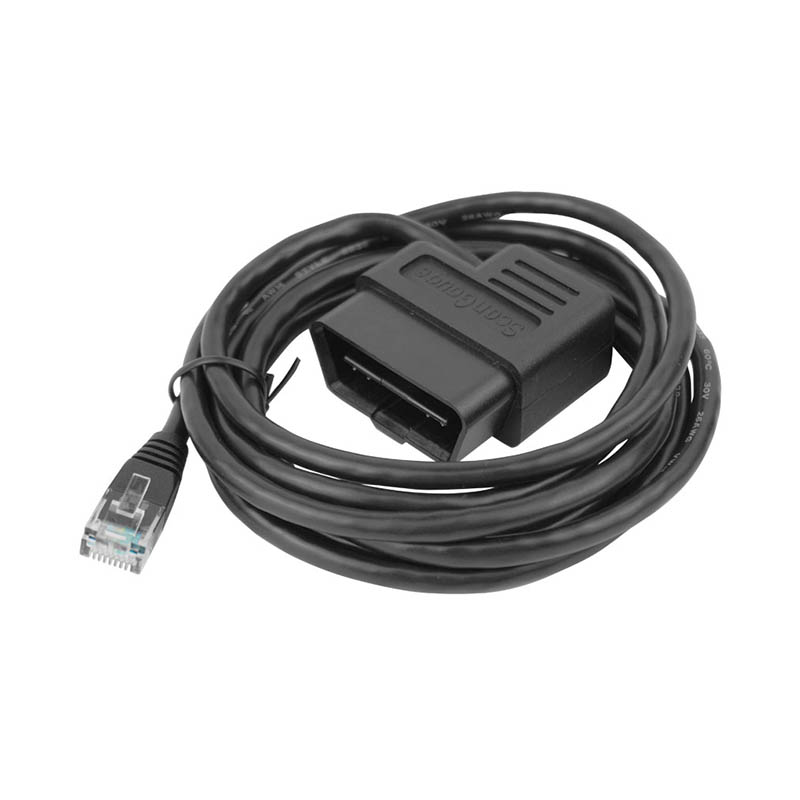
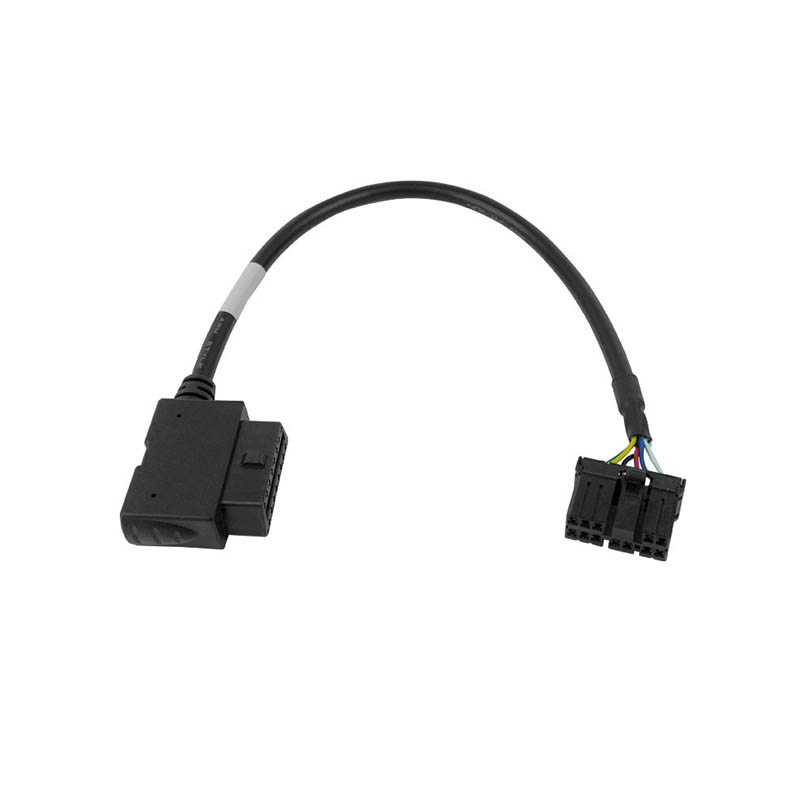
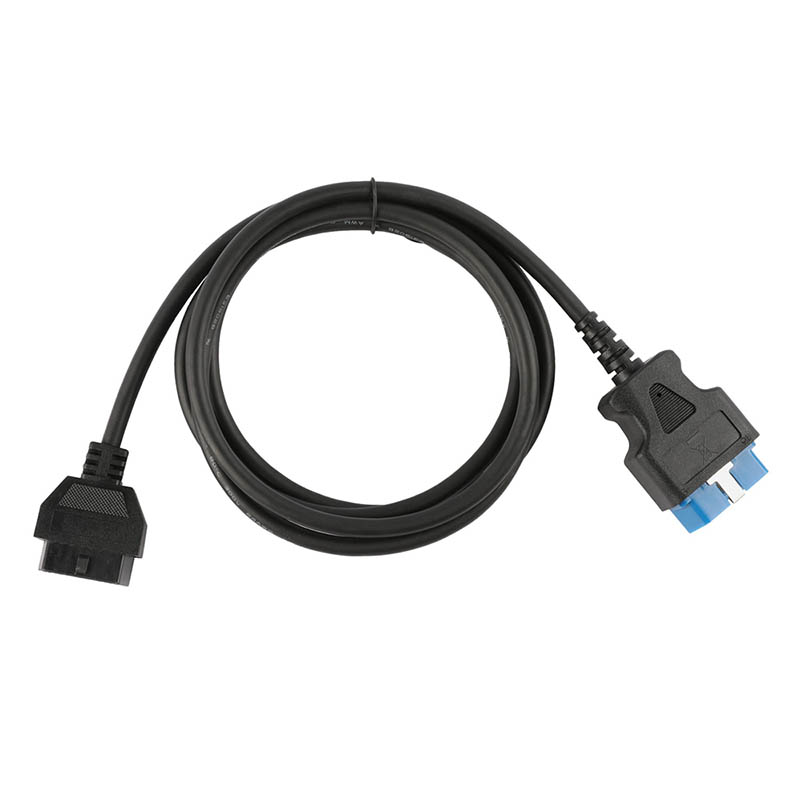
In modern automotive electronic diagnostics and vehicle networking applications, the OBD connection cable, though seemingly ordinary, is the "nerve ending" of vehicle data interaction. One end plugs into the OBD-II interface, and the other end connects to diagnostic tools, GPS trackers, or remote monitoring modules, constantly exposed to high engine compartment temperatures, road oil stains, direct sunlight, and complex electromagnetic environments. Therefore, the choice of its outer sheath material directly determines the product's durability, safety, and lifespan.
The answer concerns inherent safety and long-term reliability. While ordinary PVC cables are inexpensive, they easily soften and deform at high temperatures and become hard and brittle at low temperatures. Prolonged contact with engine oil, antifreeze, or cleaning agents can cause the surface to swell and crack, exposing internal wires. This can lead to signal interference or, in severe cases, short circuits and fires. TPE and PUR, as high-end cable sheath materials, are specifically designed to meet these stringent challenges.
TPE materials combine the softness and elasticity of rubber with the processability of plastics, exhibiting excellent weather resistance and UV resistance. Even under prolonged exposure to strong sunlight, they are not prone to aging, yellowing, or powdering, maintaining their original flexibility. Simultaneously, their dense molecular structure provides good resistance to greases, weak acids and alkalis, and common automotive chemicals, effectively isolating them from external corrosion. More importantly, high-quality TPE formulations can achieve flame retardant certification, inhibiting flame spread in accidental high temperatures or electric arcs, thus improving the overall electrical safety of the vehicle.
PUR, on the other hand, excels in abrasion and tear resistance. Its tough, smooth surface can withstand frequent bending, friction, and even scratches from sharp objects without damage, making it particularly suitable for automotive scenarios requiring repeated insertions and removals or movement through confined spaces. PUR also possesses excellent oil and ozone resistance, exhibiting stability in humid, dusty, or industrial environments. Although its cost is higher than TPE, its long-term value is significant in applications requiring high reliability.
It is worth noting that the material's advantages require precise extrusion processes to be fully realized. High-quality OBD cables should have a uniformly thick, bubble-free, and impurity-free outer sheath, tightly bonded to the internal shielding layer to avoid delamination or the "lantern effect" (bulging of the outer sheath under tension). The color is typically black, not only for aesthetics but also because the carbon black component enhances UV resistance. Furthermore, the outer sheath surface should be smooth but not slippery, facilitating cable fixing and reducing dust adhesion.
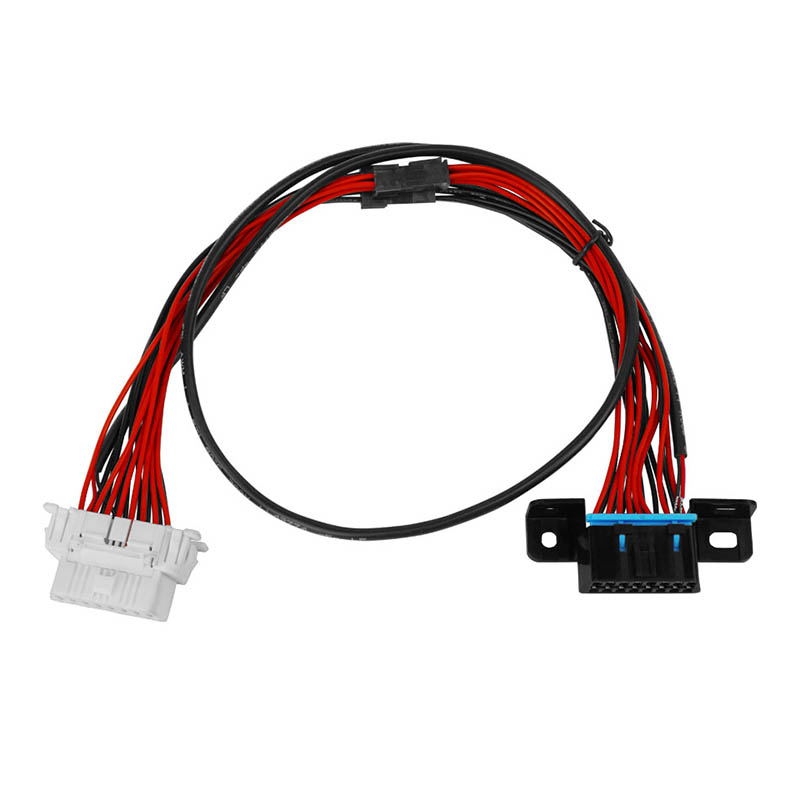
For Y-type composite cables (such as those integrating OBD and GPS functions), the outer sheath must also incorporate stress relief design at the branch points. If the material is too rigid or lacks flexibility, micro-cracks can easily form at the branch points after repeated bending, becoming the starting point of failure. TPE or PUR, due to their high elastic recovery rate, can effectively mitigate this type of fatigue damage.
Ultimately, the outer sheath of an OBD connection cable is its first line of defense against external corrosion. When it silently traverses engine exhaust heat and road oil stains, and remains intact even after months of exposure to the scorching sun on a car roof, this is not accidental but the inevitable result of materials science and engineering choices. Choosing oil-resistant, flame-retardant, and UV-resistant TPE or PUR sheaths is not only a responsibility to the product's lifespan, but also a silent commitment to vehicle safety and data stability. True quality often lies hidden in this flexible yet resilient "skin" in the unseen details.
The answer concerns inherent safety and long-term reliability. While ordinary PVC cables are inexpensive, they easily soften and deform at high temperatures and become hard and brittle at low temperatures. Prolonged contact with engine oil, antifreeze, or cleaning agents can cause the surface to swell and crack, exposing internal wires. This can lead to signal interference or, in severe cases, short circuits and fires. TPE and PUR, as high-end cable sheath materials, are specifically designed to meet these stringent challenges.
TPE materials combine the softness and elasticity of rubber with the processability of plastics, exhibiting excellent weather resistance and UV resistance. Even under prolonged exposure to strong sunlight, they are not prone to aging, yellowing, or powdering, maintaining their original flexibility. Simultaneously, their dense molecular structure provides good resistance to greases, weak acids and alkalis, and common automotive chemicals, effectively isolating them from external corrosion. More importantly, high-quality TPE formulations can achieve flame retardant certification, inhibiting flame spread in accidental high temperatures or electric arcs, thus improving the overall electrical safety of the vehicle.
PUR, on the other hand, excels in abrasion and tear resistance. Its tough, smooth surface can withstand frequent bending, friction, and even scratches from sharp objects without damage, making it particularly suitable for automotive scenarios requiring repeated insertions and removals or movement through confined spaces. PUR also possesses excellent oil and ozone resistance, exhibiting stability in humid, dusty, or industrial environments. Although its cost is higher than TPE, its long-term value is significant in applications requiring high reliability.
It is worth noting that the material's advantages require precise extrusion processes to be fully realized. High-quality OBD cables should have a uniformly thick, bubble-free, and impurity-free outer sheath, tightly bonded to the internal shielding layer to avoid delamination or the "lantern effect" (bulging of the outer sheath under tension). The color is typically black, not only for aesthetics but also because the carbon black component enhances UV resistance. Furthermore, the outer sheath surface should be smooth but not slippery, facilitating cable fixing and reducing dust adhesion.
For Y-type composite cables (such as those integrating OBD and GPS functions), the outer sheath must also incorporate stress relief design at the branch points. If the material is too rigid or lacks flexibility, micro-cracks can easily form at the branch points after repeated bending, becoming the starting point of failure. TPE or PUR, due to their high elastic recovery rate, can effectively mitigate this type of fatigue damage.
Ultimately, the outer sheath of an OBD connection cable is its first line of defense against external corrosion. When it silently traverses engine exhaust heat and road oil stains, and remains intact even after months of exposure to the scorching sun on a car roof, this is not accidental but the inevitable result of materials science and engineering choices. Choosing oil-resistant, flame-retardant, and UV-resistant TPE or PUR sheaths is not only a responsibility to the product's lifespan, but also a silent commitment to vehicle safety and data stability. True quality often lies hidden in this flexible yet resilient "skin" in the unseen details.