


How does the OBD2 female cable harness achieve "plug-and-play" functionality?
Release Time : 2025-12-10
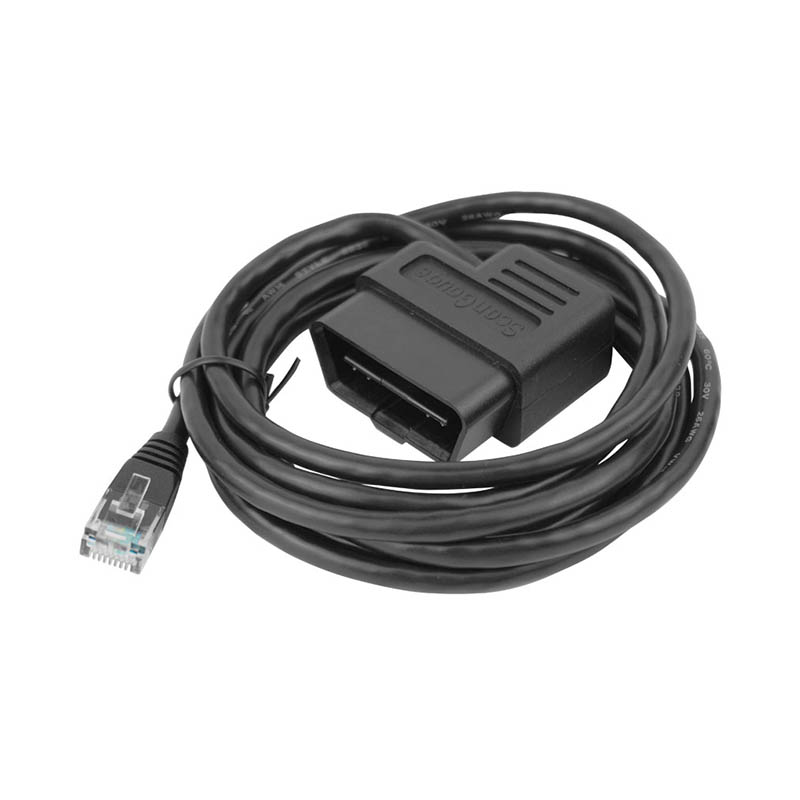
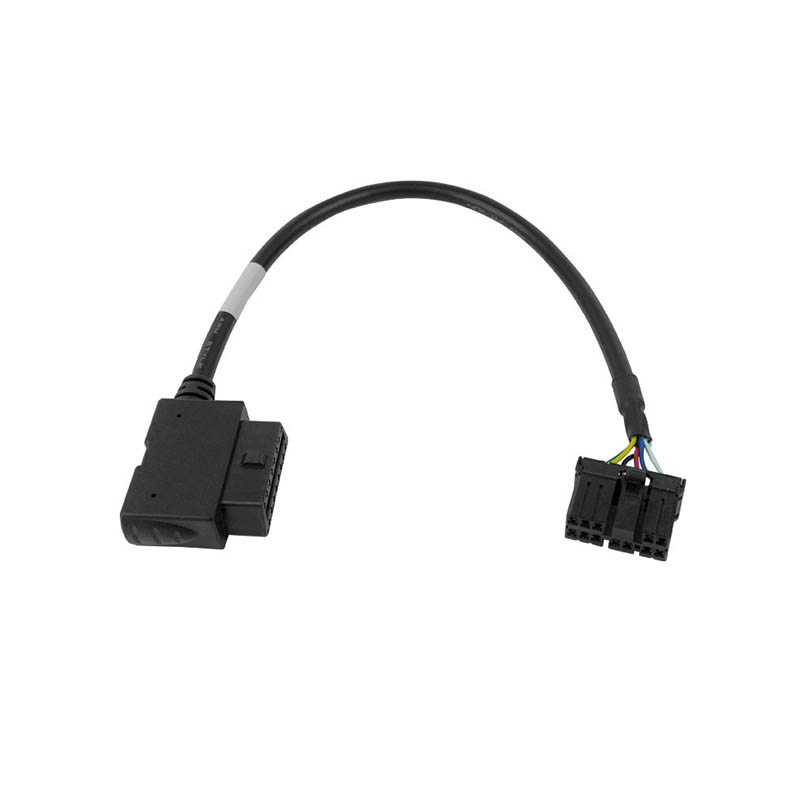
In modern automotive electronic systems, the OBD2 (On-Board Diagnostics II) interface has become a core channel for vehicle fault diagnosis, data reading, and remote monitoring. As the physical bridge connecting diagnostic equipment and the vehicle's ECU, the OBD2 female cable harness, through standardized design and precision engineering, achieves true "plug-and-play" functionality.
1. Unified Standard: SAE J1962 Lays the Foundation for "Universality"
The core reason why the OBD2 female cable harness achieves broad compatibility across brands and vehicle models lies in its strict adherence to international standards. This standard clearly specifies that the OBD2 interface is a 16-pin D-type female connector, with some pin functions globally unified—for example, pin 4 is for vehicle ground, pin 5 is for signal ground, pins 6 and 14 are for high-speed CAN bus communication, and pin 16 is for constant power supply. As long as the wiring harness is routed according to this specification, regardless of whether it's connected to a Toyota, Volkswagen, or Tesla, the diagnostic equipment can automatically identify the communication protocol and establish a connection, thus achieving "plug and play."
2. Precise Pin Definitions and Signal Integrity Guarantee
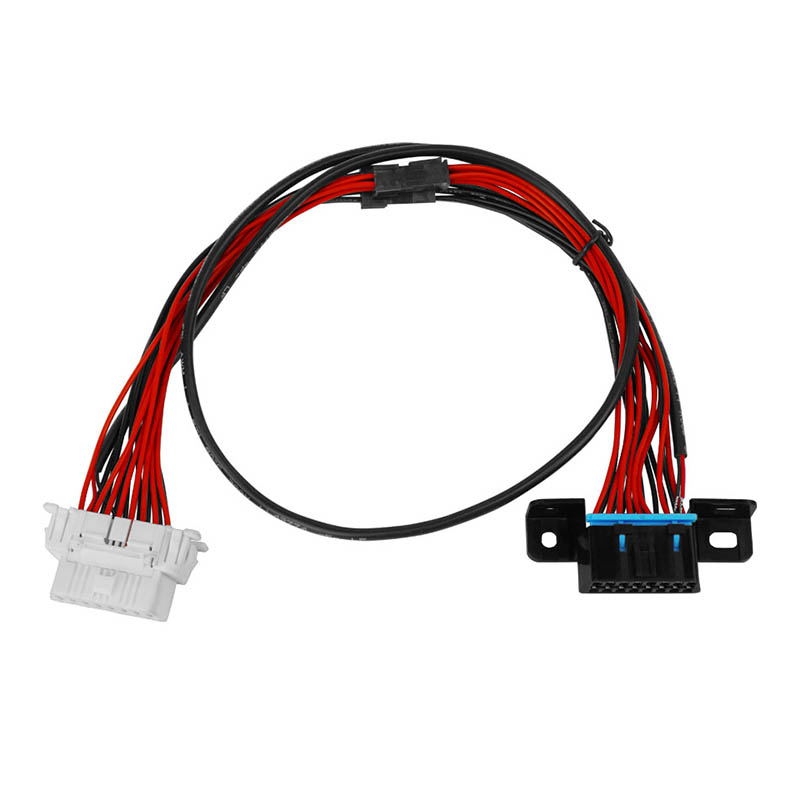
"Plug-and-play" connectivity relies not only on consistent physical interfaces but also on the stable and reliable electrical performance of the internal wiring harness. During manufacturing, the OBD2 female cable harness ensures that each wire precisely corresponds to a standard pin and uses twisted-pair shielded wire to suppress electromagnetic interference. In high-frequency communication environments, if the wiring harness lacks impedance matching or adequate shielding, it can easily lead to signal reflection, bit errors, or even communication interruptions. High-quality harnesses also incorporate TVS diodes or filter circuits on critical signal lines to prevent electrostatic discharge or voltage surges from damaging the ECU, thus ensuring a stable "plug-and-play" user experience.
3. Intelligent Protocol Adaptation: Hardware-to-Software Collaboration
Modern OBD2 diagnostic tools incorporate a multi-protocol parsing chip that automatically detects the communication protocol type used by the vehicle—including ISO 9141-2, KWP2000, J1850 PWM/VPW, and the mainstream CAN protocol. After the female cable harness completely transmits the vehicle signals to the diagnostic end, the device determines the protocol type through the voltage status of specific pins or the initial handshake signal and automatically switches the communication mode. This process is completely transparent to the user; simply insert the cable harness, and the device completes identification and connection in seconds, truly achieving a "plug-and-play" intelligent experience.
4. Structural Design and Durability Support High-Frequency Use
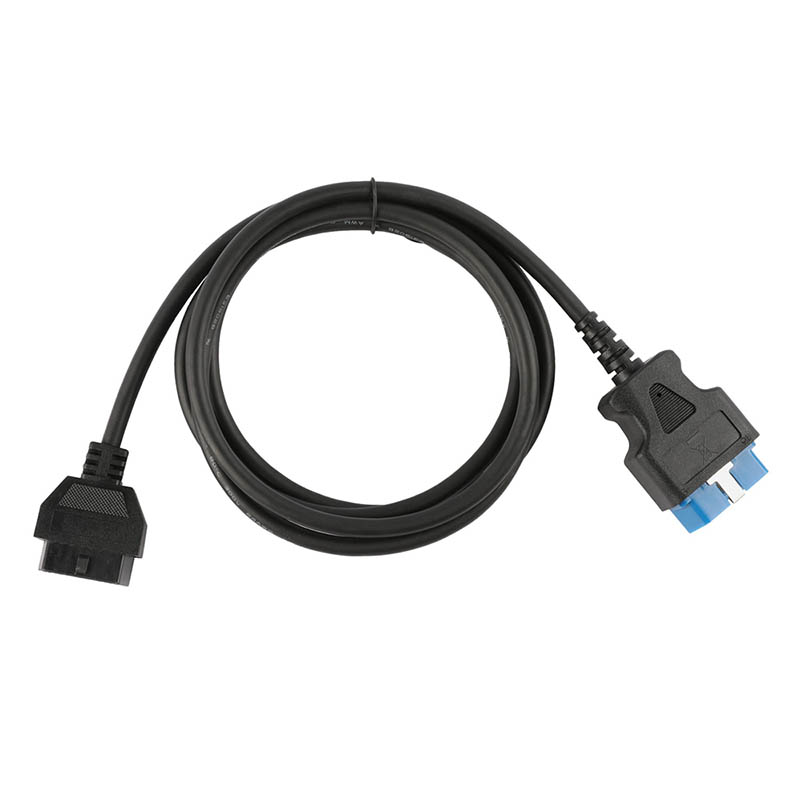
The Obd2 female cable harness is typically installed under the steering wheel or inside the center console, and must withstand frequent plugging and unplugging, vibration, and temperature changes. Therefore, its outer shell is mostly made of high-temperature resistant, flame-retardant engineering plastics, while the pins use phosphor bronze plated with gold, ensuring both low contact resistance and excellent oxidation resistance. Furthermore, the cable sheath is often made of TPE or PUR materials, which are flexible and wear-resistant, capable of being bent tens of thousands of times without breaking. These detailed design details collectively ensure the reliability of the electrical connection during long-term use, avoiding the embarrassment of "plugged in but not connected" due to poor contact.
The "plug-and-play" capability of the Obd2 female cable harness is not accidental, but rather the result of the integration of multiple technologies including standardization, precision manufacturing, electromagnetic compatibility design, and intelligent protocol recognition. It is both the physical foundation of the open ecosystem of automotive electronics and a key entry point for repair technicians, developers, and even ordinary car owners to efficiently obtain vehicle information. With the popularization of vehicle-to-everything (V2X) connectivity and OTA (Over-The-Air) upgrades, this seemingly ordinary wiring harness is continuously carrying the data lifeline of the intelligent mobility era.
1. Unified Standard: SAE J1962 Lays the Foundation for "Universality"
The core reason why the OBD2 female cable harness achieves broad compatibility across brands and vehicle models lies in its strict adherence to international standards. This standard clearly specifies that the OBD2 interface is a 16-pin D-type female connector, with some pin functions globally unified—for example, pin 4 is for vehicle ground, pin 5 is for signal ground, pins 6 and 14 are for high-speed CAN bus communication, and pin 16 is for constant power supply. As long as the wiring harness is routed according to this specification, regardless of whether it's connected to a Toyota, Volkswagen, or Tesla, the diagnostic equipment can automatically identify the communication protocol and establish a connection, thus achieving "plug and play."
2. Precise Pin Definitions and Signal Integrity Guarantee
"Plug-and-play" connectivity relies not only on consistent physical interfaces but also on the stable and reliable electrical performance of the internal wiring harness. During manufacturing, the OBD2 female cable harness ensures that each wire precisely corresponds to a standard pin and uses twisted-pair shielded wire to suppress electromagnetic interference. In high-frequency communication environments, if the wiring harness lacks impedance matching or adequate shielding, it can easily lead to signal reflection, bit errors, or even communication interruptions. High-quality harnesses also incorporate TVS diodes or filter circuits on critical signal lines to prevent electrostatic discharge or voltage surges from damaging the ECU, thus ensuring a stable "plug-and-play" user experience.
3. Intelligent Protocol Adaptation: Hardware-to-Software Collaboration
Modern OBD2 diagnostic tools incorporate a multi-protocol parsing chip that automatically detects the communication protocol type used by the vehicle—including ISO 9141-2, KWP2000, J1850 PWM/VPW, and the mainstream CAN protocol. After the female cable harness completely transmits the vehicle signals to the diagnostic end, the device determines the protocol type through the voltage status of specific pins or the initial handshake signal and automatically switches the communication mode. This process is completely transparent to the user; simply insert the cable harness, and the device completes identification and connection in seconds, truly achieving a "plug-and-play" intelligent experience.
4. Structural Design and Durability Support High-Frequency Use
The Obd2 female cable harness is typically installed under the steering wheel or inside the center console, and must withstand frequent plugging and unplugging, vibration, and temperature changes. Therefore, its outer shell is mostly made of high-temperature resistant, flame-retardant engineering plastics, while the pins use phosphor bronze plated with gold, ensuring both low contact resistance and excellent oxidation resistance. Furthermore, the cable sheath is often made of TPE or PUR materials, which are flexible and wear-resistant, capable of being bent tens of thousands of times without breaking. These detailed design details collectively ensure the reliability of the electrical connection during long-term use, avoiding the embarrassment of "plugged in but not connected" due to poor contact.
The "plug-and-play" capability of the Obd2 female cable harness is not accidental, but rather the result of the integration of multiple technologies including standardization, precision manufacturing, electromagnetic compatibility design, and intelligent protocol recognition. It is both the physical foundation of the open ecosystem of automotive electronics and a key entry point for repair technicians, developers, and even ordinary car owners to efficiently obtain vehicle information. With the popularization of vehicle-to-everything (V2X) connectivity and OTA (Over-The-Air) upgrades, this seemingly ordinary wiring harness is continuously carrying the data lifeline of the intelligent mobility era.